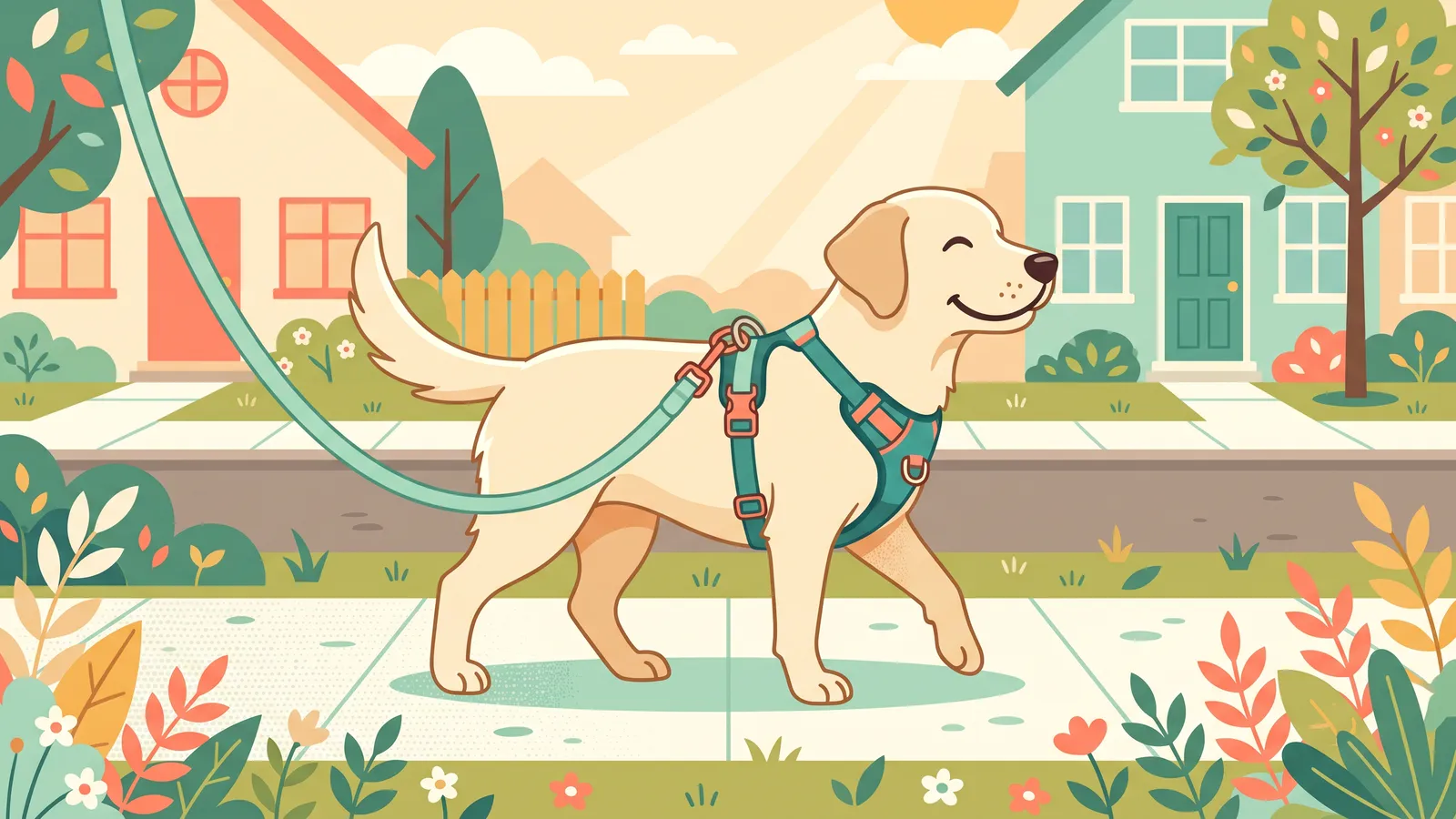
This page is for Lab owners, whether you've just brought home a puppy or your Lab has already eaten two dog beds. Three things about the breed shape the gear list: a lot of energy and pulling power in a 55 to 80 lb body, a short double coat that sheds more than it looks like it should, and a love of water and mud that's hard on beds and cars.
How we picked. We haven't used these products ourselves. Each pick comes from one of our existing roundups, so it matches what we suggest elsewhere on the site, and each shows its evidence level: a named tester, a crash certification, or specs only.
Labrador at a glance
| Labrador retriever | |
|---|---|
| Weight (AKC) | 65–80 lb (male), 55–70 lb (female) |
| Height at shoulder (AKC) | 22.5–24.5 in (male), 21.5–23.5 in (female) |
| Coat (AKC) | Short, thick, water-repellent double coat |
| Shedding (AKC) | 4 of 5 |
| Energy (AKC) | 5 of 5: "needs lots of exercise every day" |
| Harness size | Measure the chest; large-dog sizes, and check the back length |
| Bed size | Big Barker Large (48 × 30 in), the size Barker Beds lists Labs under |
| Car crate | Lucky Kennel Intermediate or Large, CPS Certified |
Figures are from the AKC's Labrador retriever page. The tape measure beats the breed standard every time.
What matters for Labrador gear
Energy and pulling. The AKC calls the Lab "an exuberant, very energetic breed" and warns that a Lab without enough exercise is likely to turn to "hyperactive and/or destructive behavior". In gear terms, that means a harness with a front clip for a strong puller, and, for some Labs, a bed that can survive being chewed.
A coat that sheds. The AKC describes a "thick, water-repellant double coat that sheds", with a 4 out of 5 shedding score. The hair is short, so a long-coat brush skims over it. A deshedding tool made for short hair reaches the undercoat.
Water, mud and drool. Retrieving and swimming are the breed's favorite activities, per the AKC. Look for a bed with a waterproof or water-resistant layer and a cover that goes in the washing machine.
Hips and elbows. The AKC says responsible breeders screen Labs for elbow and hip dysplasia. That's a reason to give an adult Lab a bed with solid, deep foam rather than loose fill. A good bed is designed to support a heavy body; it doesn't prevent or treat joint disease.
This guide is general information, not veterinary advice. If you're worried about your dog, talk to your vet. The AKC's chief veterinarian lists these among the signs of arthritis: trouble standing up from lying down, reluctance on stairs or jumping into the car, and muscle loss in the back legs. The AKC also warns that Labs, like other large, deep-chested dogs, can develop bloat, a life-threatening stomach condition, and says owners should learn its symptoms and what to do if it happens. Ask your vet to walk you through them.
Best gear for a Labrador
Harness: 2 Hounds Design Freedom No-Pull
Size to buy: measure the girth behind the front legs and use 2 Hounds' chart. It comes in seven sizes, XS to 2XL, and two strap widths, per Whole Dog Journal. Evidence level: Tested by Whole Dog Journal.
Why it suits a Lab: Whole Dog Journal's 2025 test of no-pull harnesses called it "the easy top choice" and found it "virtually impossible to get out of" when fitted. It has a front ring and a back ring, four adjustment points and soft lining under the legs. Clip the leash at the front: Treeline Review found the back martingale loop did little to stop pulling. WDJ's Pat Miller notes the strap crosses the shoulders and can twist, so use it as a training tool alongside our guide to stopping leash pulling.
If your Lab walks nicely already, the Ruffwear Front Range (tested by Treeline Review) leaves the shoulders freer for everyday walks. It's in our Frenchie harness roundup, and it comes in sizes up to L/XL (32–42 in chest).
Brush: FURminator Undercoat deShedding Tool, Large, Short Hair
Size to buy: Large (dogs over 50 lb), short hair version. Evidence level: Specs only; Canine Journal's overall best deshedding tool.
Why it suits a Lab: the stainless edge reaches through the short topcoat to the loose undercoat, and a button pushes the collected hair off. FURminator makes short-hair and long-hair versions, and picking the wrong one is the most common mistake, so get the short-hair Large for a Lab. Use light strokes about once a week in shedding season, because overuse can damage the coat. Our guide to a dog shedding a lot has the full routine.
Bed: Big Barker 7" with Headrest (or Dogbed4less on a budget)
Size to buy: Large (48 × 30 in) for most Labs. Barker Beds sizes by length: Large is for dogs up to 40 inches from nose to the base of the tail. Evidence level: Tested by TechGearLab.
Why it suits a Lab: 7 inches of three-layer foam, which TechGearLab says "will not flatten even under the paws of the largest pups". It named the Headrest Edition its best bed for large breeds. Barker Beds backs it with a 10-year no-flatten warranty. For a swimmer, add a liner: Barker Beds says its covers are water-resistant, not waterproof.
The budget-friendly route is the Dogbed4less 4" Gel Memory Foam Dog Bed in 47 × 29 in or larger. It's a solid foam slab with an internal waterproof cover and a washable outer cover, and a K9 of Mine pick. Evidence level: Specs (maker) and a K9 of Mine pick. K9 of Mine says some owners found the inner cover wasn't fully waterproof, so a wet Lab still needs a towel first.
Sizing by breed is in our large dog bed guide.
Bed for chewers: K9 Ballistics Chew Proof Armored Ripstop Elevated Bed
Size to buy: check the sleeping surface against your Lab's length; sizes run from Small 29 × 18 in to XXL 50 × 33 in. Evidence level: Tested by Whole Dog Journal.
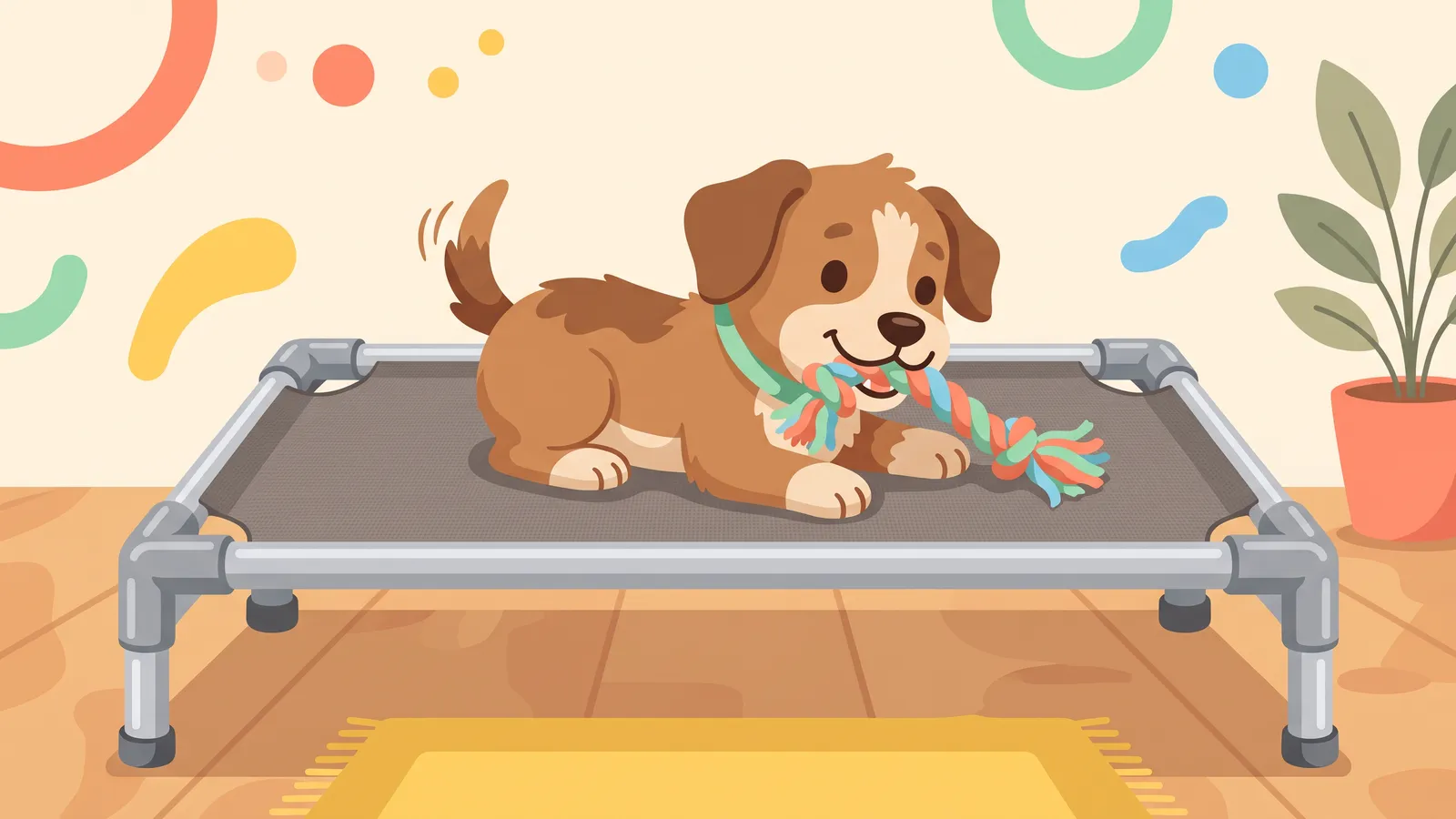
Why it suits a Lab: if your young Lab has already destroyed a foam bed, this is a cot with an all-aluminum frame, corners included, so there's no fabric edge to start on. It was Whole Dog Journal's top chew-proof pick after months in a Malamute kennel with "minimal to no signs of wear", and it hoses clean after a muddy swim. There's no padding, and some dogs need coaxing to use it. More in our chew proof dog bed roundup.
Crate: Lucky Duck Lucky Kennel
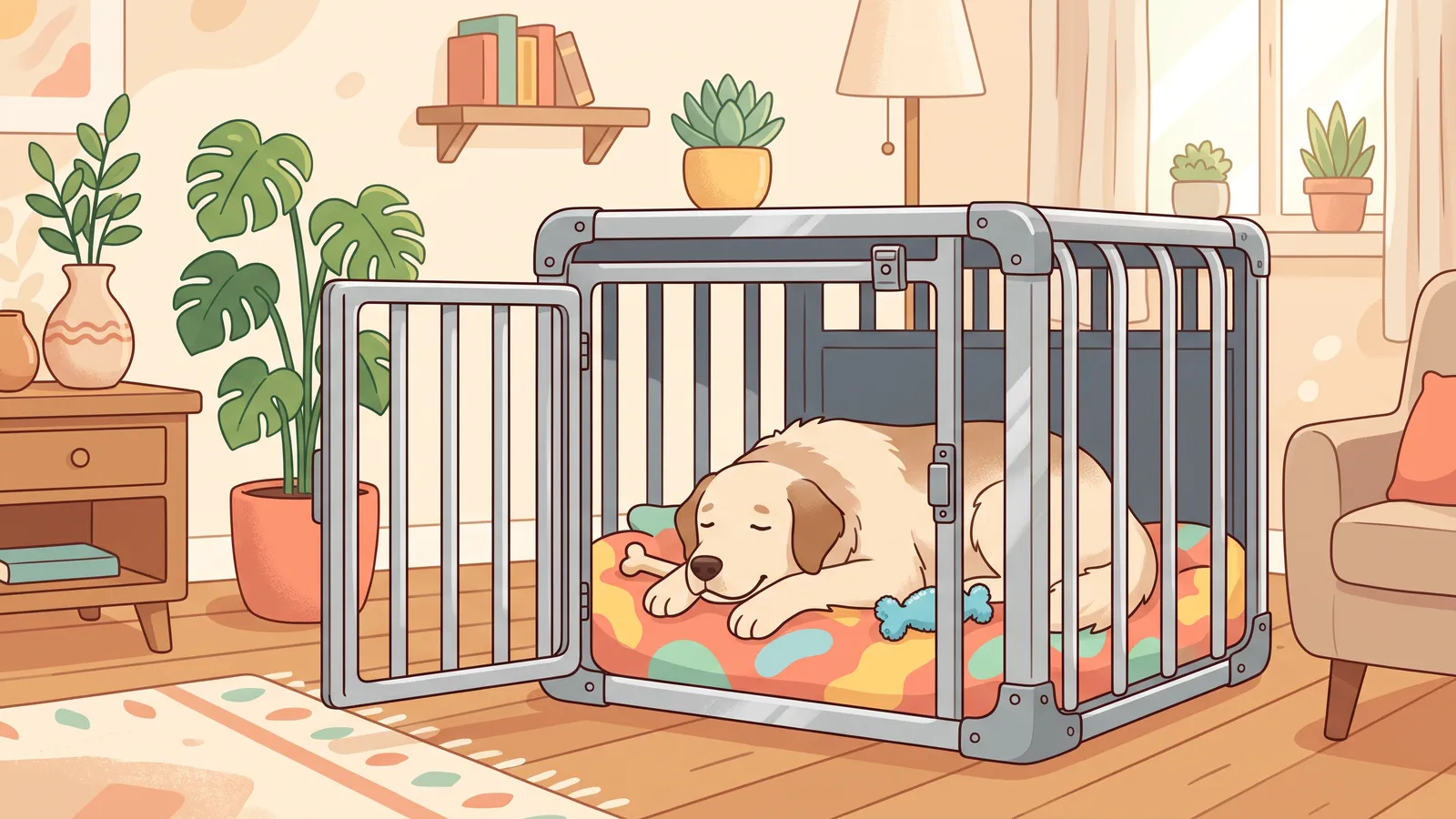
Size to buy: Intermediate (33 × 23 × 25 in outside) for most females, Large (38 × 24 × 29 in) for big males. Evidence level: Independently certified (CPS), in Medium, Intermediate and Large.
Why it suits a Lab: the Center for Pet Safety lists the Lucky Kennel with Lucky Ratchet Strap Kit as CPS Certified, 5 Star, and the Intermediate was tested with a 75 lb test dog and the Large with a 110 lb test dog. That covers the top of the AKC's 80 lb male range, which a Gunner G1 can't match: its Large isn't certified. It's a rotomolded shell with a paddle latch and built-in tie-downs, so it doubles as a sturdy home crate. Lucky Duck lists the Large at 45 lb, and the dark color heats up in the sun. Compare it with the other picks in our heavy duty dog crate roundup.
For the back seat instead, CPS lists the Sleepypod Clickit Sport harness as CPS Certified, 5 Star, with a Medium rated 45–90 lb. Our dog car seat guide covers it.
Labrador owner FAQs
What's the best harness for a Labrador that pulls?
A harness with a front clip, used with training. Whole Dog Journal's 2025 no-pull test picked the 2 Hounds Design Freedom as "the easy top choice". Clip the leash to the front ring, because Treeline Review found the back loop did little to stop pulling. A harness manages pulling; loose-leash training is what stops it.
What size bed does a Labrador need?
Measure your Lab from nose to the base of the tail while they're stretched out. Barker Beds puts dogs up to 40 inches long on its 48 × 30 inch Large, the size it lists Labs under. Our rule of thumb for a sprawler is 6 to 12 inches more than that measurement; curlers can go a size smaller.
What's the best brush for a Labrador?
A deshedding tool made for short hair, like the FURminator Large, Short Hair, used lightly about once a week in shedding season. The AKC describes the Lab's coat as a thick double coat that sheds, so you need a tool that reaches under the short topcoat. A rubber mitt is handy for quick touch-ups between sessions.
What size crate does a Labrador need?
Your Lab should be able to stand without ducking, turn around and lie flat. For a crate that also rides in the car, choose a size on the CPS Certified list: the Lucky Kennel Intermediate was certified with a 75 lb test dog and the Large with a 110 lb dog. Measure your cargo area before ordering.
Is an orthopedic bed worth it for a Lab?
For an adult or senior Lab, a deep, solid foam bed is worth it. The AKC notes Labs are screened for hip and elbow dysplasia, and a 70 lb dog presses thin fill flat. Look for at least 4 inches of solid foam, more for heavy dogs, plus a waterproof liner for a swimmer. No bed treats joint problems.
Can a Lab use an automatic feeder?
Often, but check the specs first. Most timed feeders serve up to about 4 cups a meal and take kibble up to about 15 mm, and their makers rate them for small to medium dogs. Our automatic dog feeder guide compares hopper size, meal size and kibble limits.
Do Labradors shed a lot?
Yes. The AKC rates Lab shedding 4 out of 5, and the Labrador Retriever Club's Marilyn Little says Labs "shed twice a year in handfuls". She suggests combing every day during the heavy shed. In between, a weekly session with a short-hair deshedding tool works. Our dog shedding season guide explains the spring and fall blows.
How often should you bathe a Labrador?
About every four to six weeks for a Lab who lives mostly indoors, according to the Labrador Retriever Club's Marilyn Little in the AKC's grooming guide. Comb before the bath, and rinse your Lab after a pool swim, since chlorine can dry out the coat. Our how often to bathe a dog guide covers the rest.
Do Labradors need a lot of exercise?
Yes. The AKC scores Labs 5 out of 5 for energy and says they need lots of exercise every day, and the UK Kennel Club says more than 2 hours a day. Retrieving and swimming are their favorites. A Lab who doesn't get enough often finds their own outlet, usually something you'd rather they didn't chew.
What size harness for a Labrador?
Most adult Labs need a large harness, but go by chest girth, not weight. Measure around the widest part of the ribcage, just behind the front legs. In the Ruffwear Front Range, M covers 27–32 inches and L/XL 32–42 inches. Our harness measuring guide shows where to measure and how to check the fit.
Do Labradors need haircuts?
No. The Labrador Retriever Club's Marilyn Little says a Lab's short, dense, weather-resistant coat "should never be clipped or trimmed". Brushing, the odd bath and nail trims are all it needs. The one trim worth doing is the hair between the paw pads, which the AKC's grooming guide says helps stop slipping on slick floors.
Do Labradors need their nails clipped?
Yes. Groomer Terri Becker DiMarino tells the AKC that when you hear clicking on the floor, it's time to trim, or to use a grinder every three to four weeks to stay ahead of it. Nail care matters more as a Lab ages and gets less steady. Our how to trim dog nails guide walks through it.
Start with a front-clip harness and a few weeks of leash practice. A Lab who walks nicely makes every other piece of gear easier to use.