Most dogs shedding a lot are simply blowing their coat, the big seasonal shed double-coated breeds go through, usually in spring and fall. A weekly routine of deshedding, an occasional bath, a thorough dry and a good vacuum gets it under control. Shedding with bald patches, sores, redness or constant scratching isn't normal shedding: that's a vet visit.
Hair on the couch, tumbleweeds in the hallway, a fur coat on your black pants. If your dog is shedding a lot, the first job is working out whether it's normal. The second is a routine that gets the loose hair out on purpose, in one place, instead of all over your house.
Step 1: Work out if it's normal shedding
Every dog sheds, but how much depends a lot on the coat.
- Double-coated breeds (golden retrievers, labs, huskies, German shepherds, corgis and many more) have a soft, dense undercoat under longer guard hairs. They shed some all year and then blow coat, dropping a huge amount of undercoat over a few weeks, usually as the seasons change in spring and fall.
- Single-coated, short-haired dogs shed steadily all year in smaller amounts.
- Low-shedding coats (poodles, many doodles) shed little, but the loose hair stays in the coat and mats if it isn't brushed out.
Normal shedding looks like this, per PetMD and the Merck Veterinary Manual:
| Usually normal | Get it checked |
|---|---|
| Hair comes out evenly all over | Bald patches or thin spots, especially on one side |
| Skin underneath looks clean and calm | Red, flaky, crusty or greasy skin, or sores |
| Coat still looks full and shiny | Coat looks dull, brittle or patchy |
| Happens at the change of season | Sudden heavy shedding with no seasonal reason |
| Dog acts like their usual self | Constant scratching, licking or chewing; changes in energy, weight or appetite |
If your dog's shedding fits the left column, carry on to step 2. If anything sounds like the right column, book a vet visit first. Heavy shedding paired with skin changes can come from allergies, parasites or hormone problems, and those need a diagnosis, not a better brush.
Step 2: Deshed on a schedule
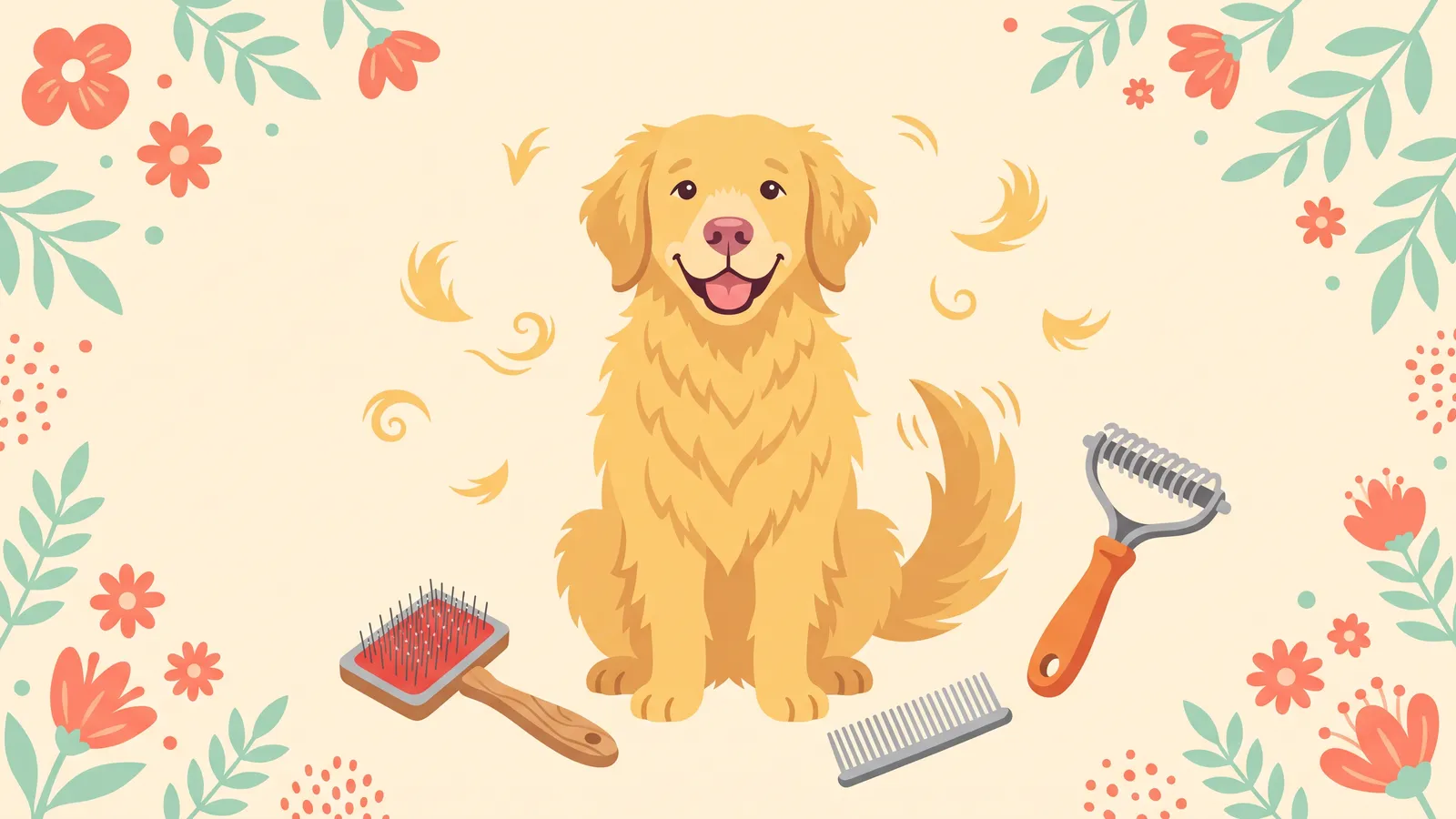
The goal is to remove loose hair before it falls out by itself. Pick a spot that's easy to clean (outside, the garage, or a sheet on the floor) and a regular time.
- Choose the right tool for the coat. For double coats, an undercoat rake or deshedding tool reaches under the topcoat. For short single coats, a rubber curry-style brush or a deshedding tool sized for short hair works well.
- Work in sections. Start at the neck, then shoulders, back, sides and hindquarters. Brush in the direction the hair grows, from the skin outward.
- Use light pressure. Let the tool's teeth do the work. Red skin afterward means you pressed too hard.
- Keep sessions short. Ten to fifteen minutes is plenty. Two short sessions beat one long, grumpy one.
- Set the frequency: once a week most of the year; a quick session every day while your dog is blowing coat.
- Reward your dog throughout with praise and a little food, so grooming becomes something they look forward to.
If you have a golden or another long-coated breed, our best dog brush for golden retrievers guide covers the full rake, slicker and comb kit.
Step 3: Bathe to loosen the undercoat
A bath loosens a lot of dead undercoat, and much of it rinses away in the tub instead of on your floor.
- Deshed first. Brushing out loose hair before the bath stops it clumping and matting when wet.
- Use a dog shampoo, not a human one. Wet the coat right down to the skin; double coats can shed water surprisingly well.
- Massage it in with your fingers, working against the grain a little to loosen undercoat.
- Rinse until the water runs clear, then rinse again. Leftover shampoo can leave skin itchy.
- Don't overdo it. For most dogs, a bath every few weeks to a couple of months is plenty. Ask your groomer or vet what suits your dog's coat.
Step 4: Dry thoroughly
Damp undercoat clumps and mats, and a half-dry dog sheds damp hair everywhere.
- Towel off hard, squeezing rather than rubbing, which can tangle long coats.
- Finish with a dryer. A high-velocity dog dryer pushes air into the coat and blows loose undercoat straight out. It's the single biggest shortcut during coat blow if you bathe at home. Start on low and keep it moving.
- Brush once fully dry to catch whatever the bath and dryer loosened.
Step 5: Clean up smarter
Even with a great routine, a shedding dog leaves hair behind. A few habits help:
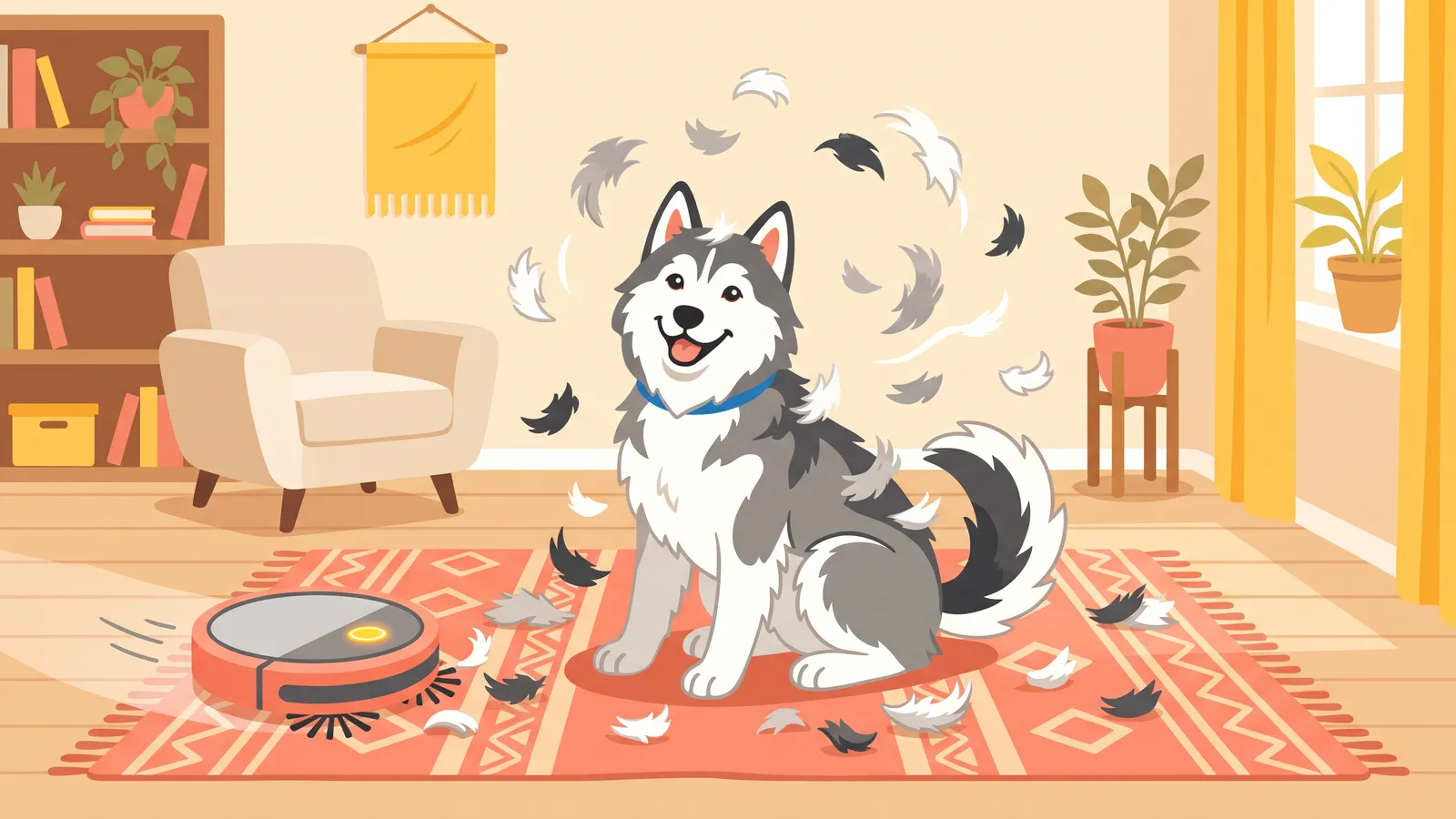
- Vacuum often during coat blow, every day or two in the rooms your dog uses most.
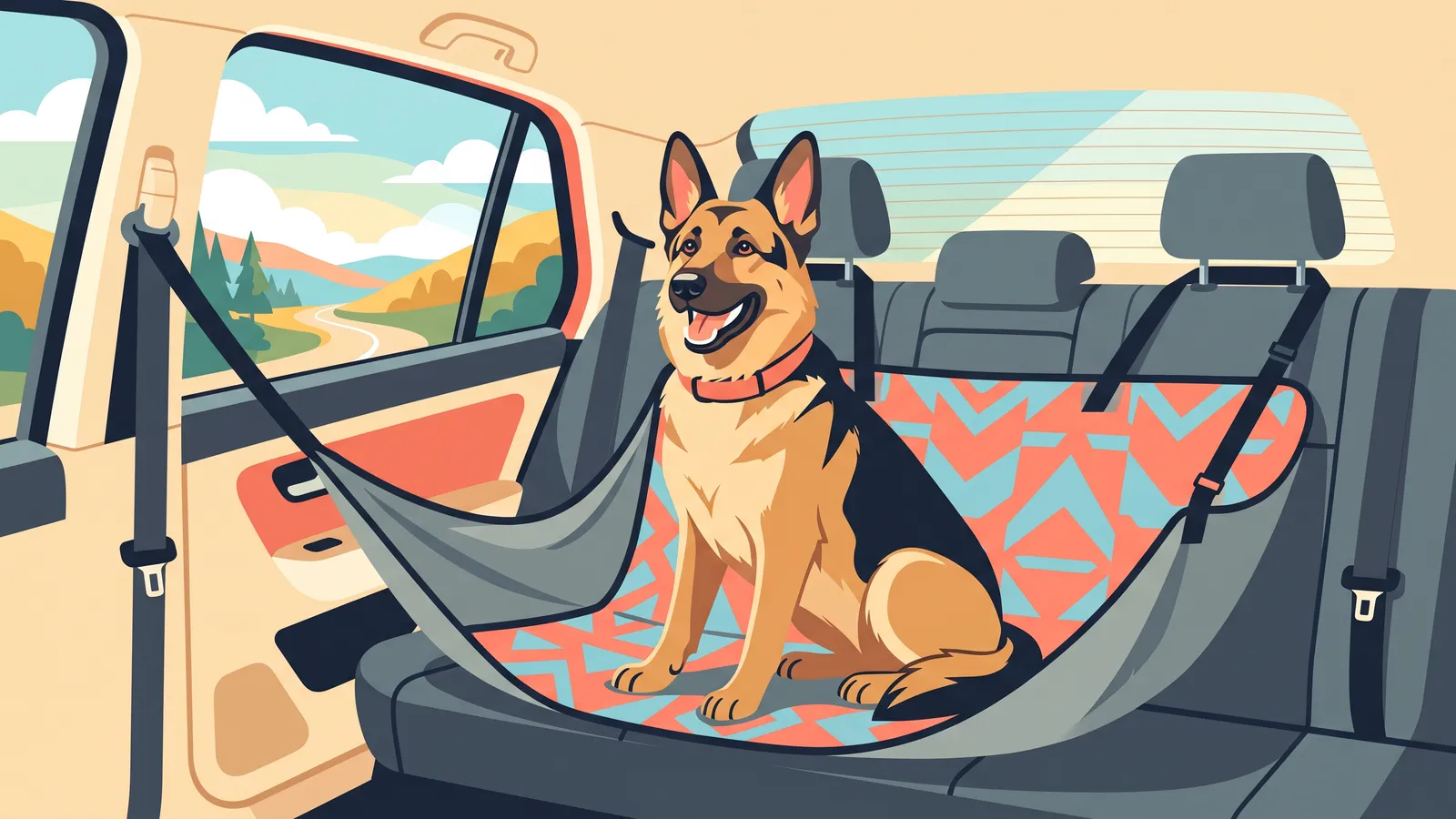
- Cover the places your dog loves: a washable throw on the couch, a washable cover on the dog bed, and a seat cover in the car.
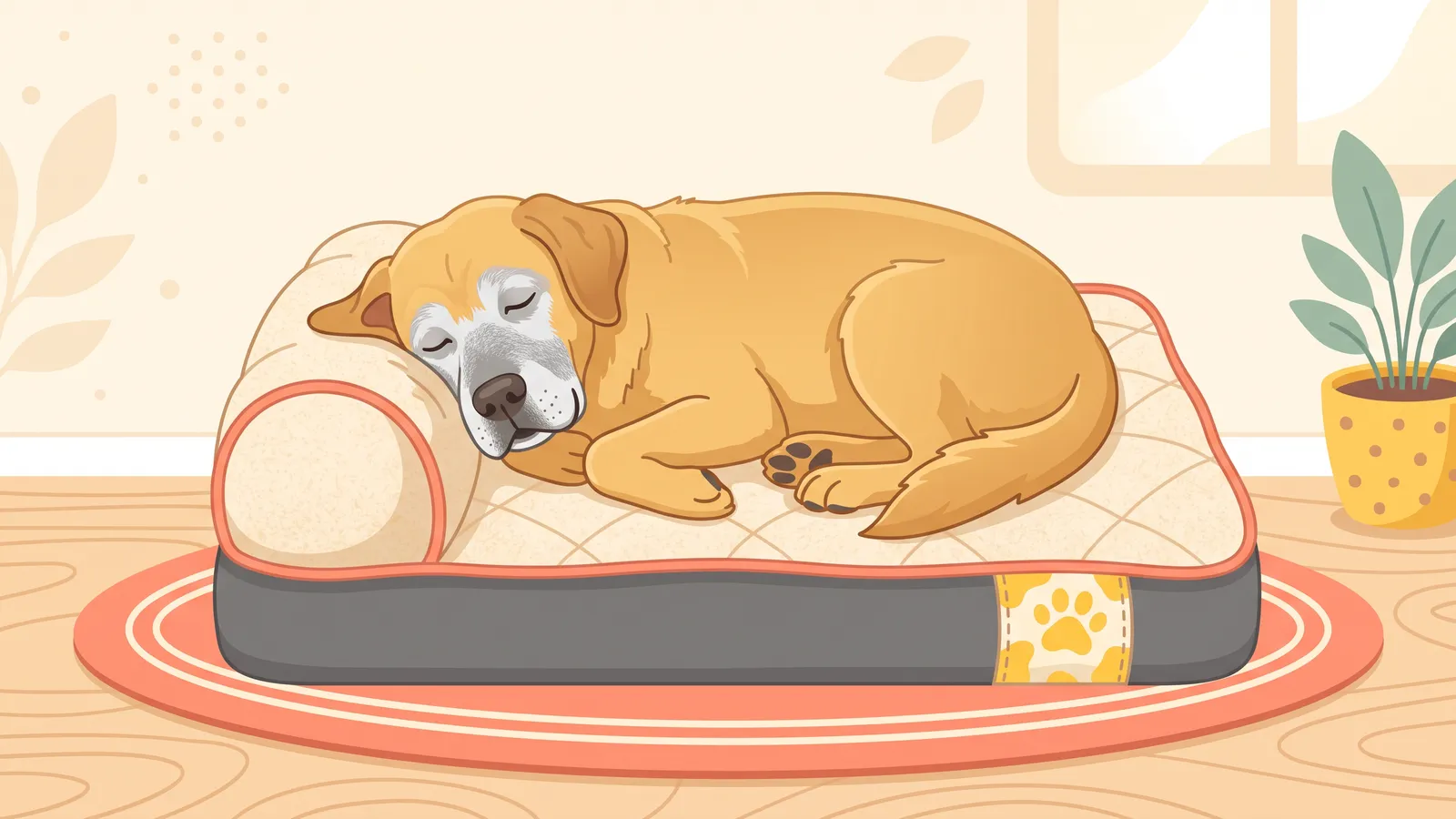
- Choose dog beds with removable, washable covers. Our senior dog bed picks all have them.
- Run a rubber glove or lint roller over upholstery before you vacuum to bunch the hair up.
- Wash dog bedding weekly in shedding season, and shake it outside first.
Gear that helps
You don't need much. One good deshedding tool and one good vacuum cover most homes.
FURminator Undercoat deShedding Tool
Best deshedding tool. Canine Journal names the FURminator its overall best deshedding tool. A stainless steel edge reaches through the topcoat, and an ejector button pushes the hair off. It's sized by dog weight and comes in short-hair and long-hair versions, and picking the wrong one is the most common mistake: check your dog's weight and coat length against the listing. Use it lightly, about once a week in shedding season, since overuse can damage the coat.
Maxpower Planet Undercoat Rake
Best budget pick for thick coats. Canine Journal's pick for thick coats. It's two-sided, with wider-spaced teeth for mats and tighter teeth for loose undercoat, and it's gentler on the coat than a blade-style tool for everyday use. Keep it to the body: it's not meant for legs, head or tail.
Bissell Pet Hair Eraser Cordless Hand Vacuum
Best for couches, dog beds and cars. CNN Underscored named the Pet Hair Eraser the best handheld vacuum for pet hair it tested. A motorized brush pulls hair out of upholstery, and it comes with crevice and upholstery tools for the gaps in the couch and car. Being a handheld, the bin is small and runtime is limited, so it's a spot-cleaner, not a whole-house vacuum.
Dyson V15 Detect
Premium pick for the whole house. RTINGS calls the V15 Detect the best vacuum for pet hair it has tested. It's a cordless stick with a motorized floorhead that lifts hair out of carpet. It's very expensive, and Dyson also sells direct, so check the listing is sold by Dyson or an authorized seller before you buy.
This guide is general information, not veterinary advice. If you're worried about your dog, talk to your vet. See your vet if shedding is sudden or much heavier than your dog's usual, if you see bald patches, sores, redness or crusting, or if your dog is scratching, licking or chewing a lot. If you're wondering whether diet plays a part, ask your vet before changing food or adding supplements.
Curly or doodle coat that mats instead of sheds? Our best dog clippers page has a blade and guard length chart.
Not sure if this is normal for the time of year? Our dog shedding season guide shows when each breed blows its coat.
For the fur that's already everywhere, see how to get dog hair off the couch, clothes and car seats.
FAQs
Why is my dog shedding so much all of a sudden?
The most common reason is a seasonal coat blow, especially in double-coated breeds in spring and fall. If the shedding comes with bald patches, skin changes, itching, or changes in energy or appetite, or there's no seasonal reason for it, see your vet.
How long does a dog's coat blow last?
It varies by dog and breed, but it usually runs a few weeks. Daily short deshedding sessions during that time remove the loose undercoat faster and keep it off your floors.
Does brushing make a dog shed more?
No. Brushing removes hair that's already loose and would fall out anyway. You'll collect a lot at first, then less as you keep up with it.
Should I shave my dog to stop shedding?
For double-coated breeds, groomers advise against it. The dog still sheds, just shorter hairs, and the double coat helps them handle heat and cold. Regular deshedding is the better route.
What's the best tool for a dog that sheds a lot?
For double coats, an undercoat rake for weekly use and a deshedding tool like the FURminator for coat blow. For short single coats, a deshedding tool sized for short hair works well. Pair either with a vacuum that handles pet hair.
A few minutes of deshedding a week, a proper bath and dry now and then, and the right vacuum, and the fur tumbleweeds become a lot more manageable.