Usually, no. The groomer the AKC quotes says shaving a double coat doesn't stop shedding, damages the topcoat and the insulating undercoat, and can raise the chance of skin problems and sunburn. The ASPCA's summer advice says the same: trim longer hair if you like, but never shave your dog. What actually keeps a double-coated dog cooler and your floor cleaner is getting the loose undercoat out with a rake and regular brushing.
It's a kind thought. It's July, your golden is panting on the kitchen tiles, and a buzz cut looks like the obvious fix. But a double coat isn't a winter sweater your dog forgot to take off. Here's what it does, why shaving backfires, and the routine that works better.
What a double coat is, and why it matters in summer
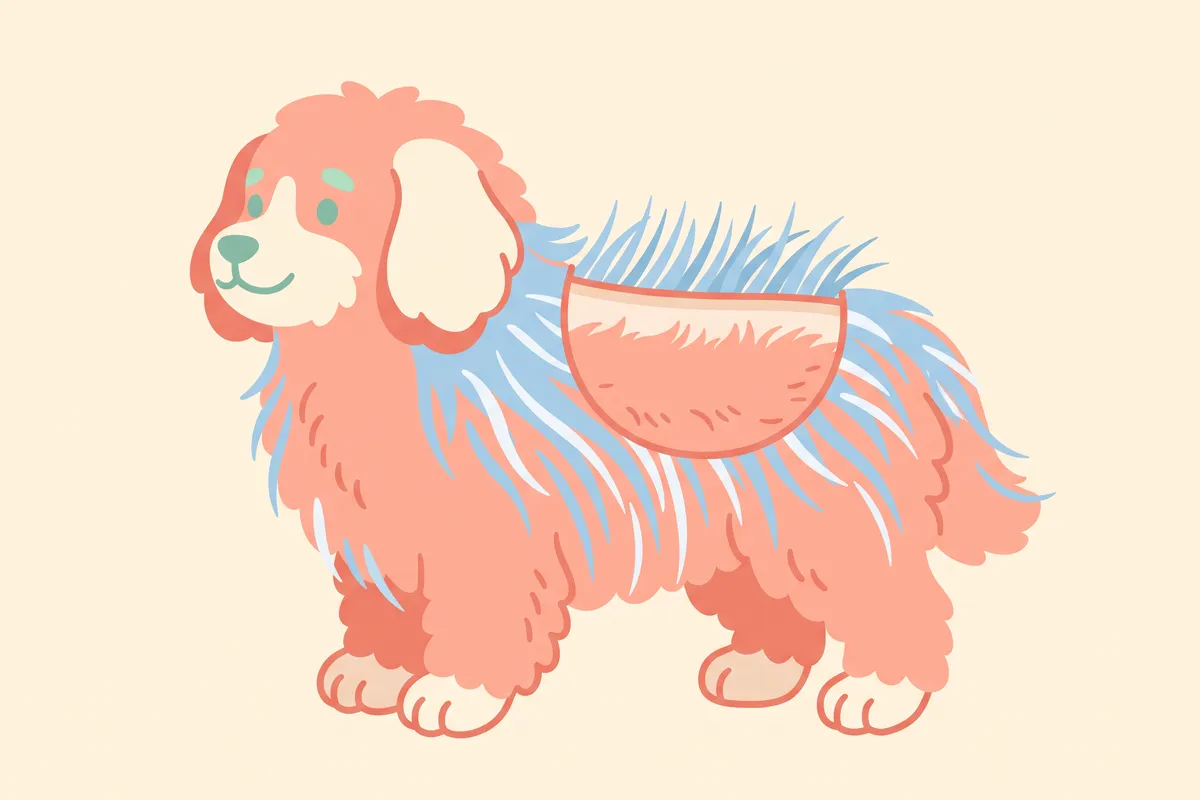
A double coat has two layers:
- The topcoat (guard hairs): longer, coarser hair on the outside that sheds water and dirt and takes the sun.
- The undercoat: short, dense, soft fluff underneath. It's what comes out in clumps during a coat blow.
The AKC's double-coat guide, quoting groomer Dale Martins, says the undercoat "insulates the dog in winter, keeps their skin dry, and allows room for air to reach the skin and keep it cool and dry during hot weather." The ASPCA puts it more simply: "The layers of dogs' coats protect them from overheating and sunburn."
So the coat works in both directions. The trouble in summer isn't the coat itself; it's dead undercoat packed in so air can't move through it. Remove that, and the coat does its job.
Common double-coated breeds include golden retrievers, Labradors, German shepherds, Corgis, huskies, Beagles and many herding and spitz breeds. Our shedding season guide has when each one drops its coat.
Why shaving a double coat backfires
From the AKC's double-coat grooming guide, shaving:
- Doesn't stop shedding. Your dog still sheds, just shorter hairs. You've swapped long tumbleweeds for prickly little ones that weave into fabric.
- Damages the topcoat. The guard hairs are what shade the skin and shed water.
- Can increase the chances of skin issues or sunburn. Shaved skin is suddenly exposed.
- Damages the undercoat that insulates in winter and lets air reach the skin in summer.
The groomer's one exception: when there are so many tangles and so much packed hair that the dog's skin can't dry out under the coat. That's a rescue job, not a summer style, and it's best left to a professional groomer (and your vet, if the skin underneath looks sore).
What to do instead: the "cool coat" routine
This is what we'd do with a double-coated dog heading into summer, built on the AKC's grooming advice.
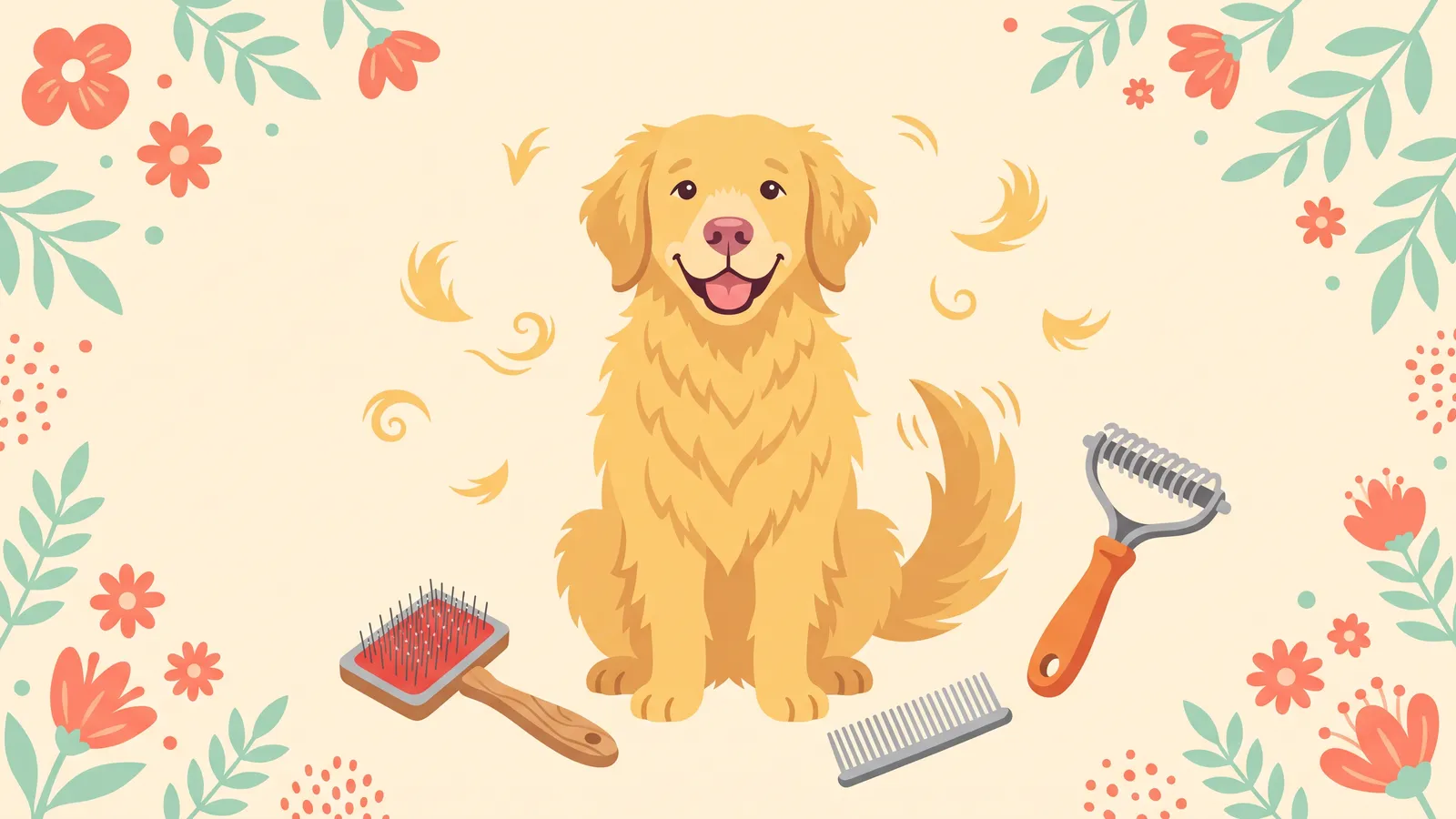
- Rake out the undercoat weekly. An undercoat rake reaches through the topcoat and pulls out dead fluff without cutting the guard hairs. During a coat blow, go daily for 10 to 15 minutes.
- Use a deshedding blade sparingly. Blade-style tools like the FURminator pull out a lot of undercoat fast, but groomers warn they can thin or cut guard hairs if overused. About once a week in shedding season, light strokes.
- Finish with a slicker and a steel comb. The slicker lifts the coat; the comb finds any tangles hiding behind the ears, in the "pants" and under the collar. If the comb glides to the skin, you're done.
- Bathe at the start of a coat blow, then dry fully. A bath loosens dead undercoat. The AKC says goldens and Corgis must be completely dry before you brush. A dog dryer on a cool setting blows out a remarkable amount of loose fluff; see how to dry a dog after a bath.
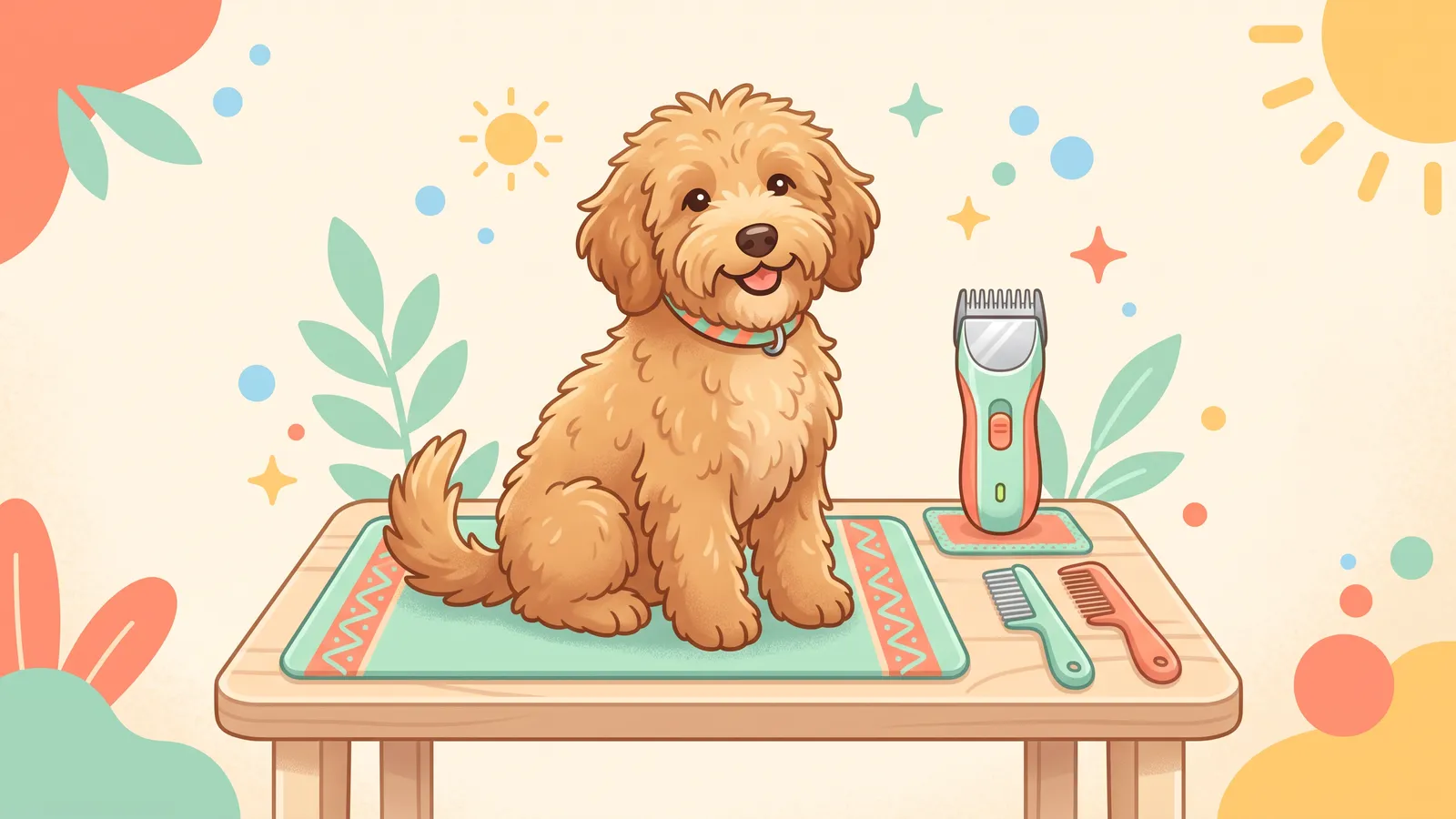
- Tidy, don't shave. Trim the hair between the paw pads, neaten the feet, ears and long "feathers" on the legs and tail, and keep the sanitary area short. Scissors or a clipper with a guide comb are enough. Our dog clippers guide covers blade lengths.
- Manage the heat itself. Shade, water, walks early and late, and a cool floor to lie on. A coat in good condition plus those basics beats a shave.
Haircut or no haircut: breed by breed
Our data. We compiled this from the AKC's grooming articles and breed pages, plus GANA for Goldendoodles (read October 10, 2026). "Tidy" means feet, ears, feathers and sanitary area only.
| Breed | Coat | Haircut? | What the AKC suggests instead |
|---|---|---|---|
| Golden retriever | Medium-long double | Tidy only | Slicker 1–2× a week, daily in heavy shedding; dry fully before brushing |
| Labrador retriever | Short double | No | Weekly brushing; comb daily in heavy shedding |
| German shepherd | Medium double | No | Brushing every few days; more in shedding season |
| Corgi (Pembroke) | Medium double | Tidy feet only | Daily comb and slicker; rake in shedding season |
| Poodle | Curly, keeps growing | Yes, regular clips | Many owners use a groomer every 4–6 weeks; brush to the skin |
| Goldendoodle | Curly, wavy or flat | Curly and wavy: yes. Flat: tidy | Brush to the skin; flat-coated doodles shed more (GANA) |
The poodle-type coats are the exception, because their hair keeps growing and isn't a seasonal double coat. The AKC says a full-coated Poodle that isn't combed to the skin will mat near the roots, and the mats "will have to be shaved off." A shorter trim is normal for them.
Do golden retrievers need haircuts?
Not body haircuts. A golden's coat is a double coat, and the routine above (rake, slicker, comb, an occasional bath and a full dry) is what keeps it light. A tidy of the feet, ears and leg feathers every few weeks makes a golden look neat and tracks in less mud. Our golden retriever brush roundup has the tools.
Golden retriever and German shepherd "summer cuts"
If you see a "summer cut" offered for a golden or shepherd, ask exactly what it is. A tidy and a thorough deshed is fine. Clipping the body close to the skin is the shave the AKC's groomer advises against. For a German shepherd, there isn't a summer haircut to speak of: brushing every few days, and much more during the coat blow, is the job.
Do Labradors need haircuts?
No. A Lab's short double coat isn't a coat you cut, and the AKC's Lab grooming advice is about brushing: weekly most of the year, daily combing during heavy shedding. Clipping a Lab short just exposes skin and leaves the shedding as it was.
Do Corgis need to be trimmed? (And how to "shave" one)
A Corgi only needs its feet tidied: trim the hair between the pads and around the toes so they don't slip on floors. Please don't shave a Corgi. The AKC suggests daily combing and a slicker, with a rake in shedding season, and a bath in shedding season helps loosen dead hair. If your Corgi is matted, a groomer can work the mats out or clip just those patches.
Do Goldendoodles need to be shaved in summer?
It depends on the coat. A curly or wavy doodle coat behaves like a Poodle's: it keeps growing and mats if it isn't brushed to the skin, so a shorter summer trim is reasonable. Leave some length rather than clipping to the skin; the ASPCA's advice to trim but never shave applies. A flat-coated doodle sheds more, according to GANA, and is closer to a golden: rake and tidy rather than clip. Our Goldendoodle grooming guide covers clip lengths.
Gear that helps
Maxpower Planet Undercoat Rake
Best undercoat rake. Evidence level: specs only; Canine Journal's pick for thick coats and dematting. It's double-sided: a 9-tooth side for working through tangles and a 17-tooth side for pulling loose undercoat. Canine Journal says it's not for legs, head or tail, so keep it on the body.
FURminator Undercoat deShedding Tool
Best deshedder for a coat blow. Evidence level: specs only; Canine Journal names it its overall best deshedding tool. The stainless edge reaches under the guard hairs, and a button pushes the collected hair off. Use it lightly, about once a week in shedding season, so you don't thin the topcoat.
Hertzko Self Cleaning Slicker Brush
Best budget slicker. Evidence level: specs only; Totally Goldens' best slicker pick. It lifts the coat after raking, and a button retracts the pins so the collected hair slides off in one wipe. Pair it with an Andis steel comb to check for hidden tangles.
For tidying feet and feathers, the Wahl Arco (specs only) is the budget-friendly cordless pick in our clippers roundup, with guide combs in the box.
This guide is general information, not veterinary advice. If you're worried about your dog, talk to your vet. If your dog has hot spots, sores, bald patches or very itchy or smelly skin, see your vet rather than clipping or brushing the area yourself. Your vet may clip a patch for a medical reason, and that's different from a summer shave. If your dog seems to struggle in the heat (heavy panting, weakness, drooling), get them somewhere cool and call your vet.
FAQs
Will a double coat grow back after shaving?
It does grow back, but the AKC's groomer says shaving damages both the topcoat and the undercoat, so don't count on it returning the way it was. If your dog has already been shaved, keep them out of strong sun while it grows and go back to regular brushing.
Does shaving a dog keep them cooler?
Not for a double-coated dog. The AKC's groomer says the undercoat lets air reach the skin and keeps it cool and dry in hot weather, and the ASPCA says the layers protect against overheating and sunburn. Removing loose undercoat helps; removing the whole coat doesn't.
Is it okay to trim a double-coated dog?
Yes. Trimming feet, ears, feathers and the sanitary area is normal, and the ASPCA says you can trim longer hair. The line is clipping the body down to the skin.
Should I shave my dog to stop shedding?
No. The AKC's groomer says shaving doesn't eliminate shedding. Raking weekly, and daily during a coat blow, is what reduces the hair on your floor. See our dog shedding a lot guide.
When is shaving a double coat okay?
When the coat is so matted and packed that the skin can't dry out under it, according to the groomer the AKC quotes. That's a job for a professional groomer, and for your vet if the skin underneath is sore.
Keep the clippers for feet and feathers, keep the rake handy, and let the coat do the cooling it was built for.