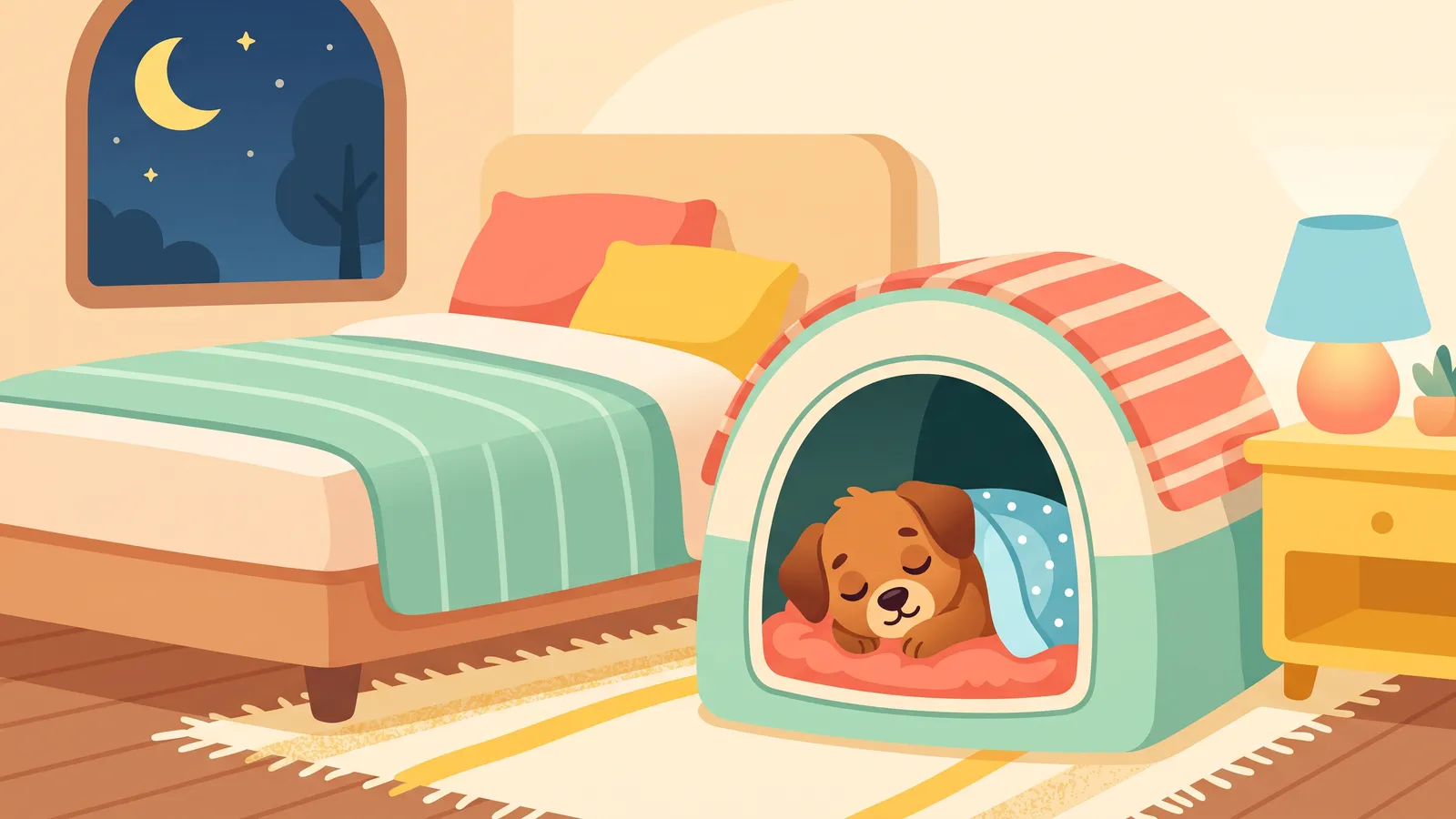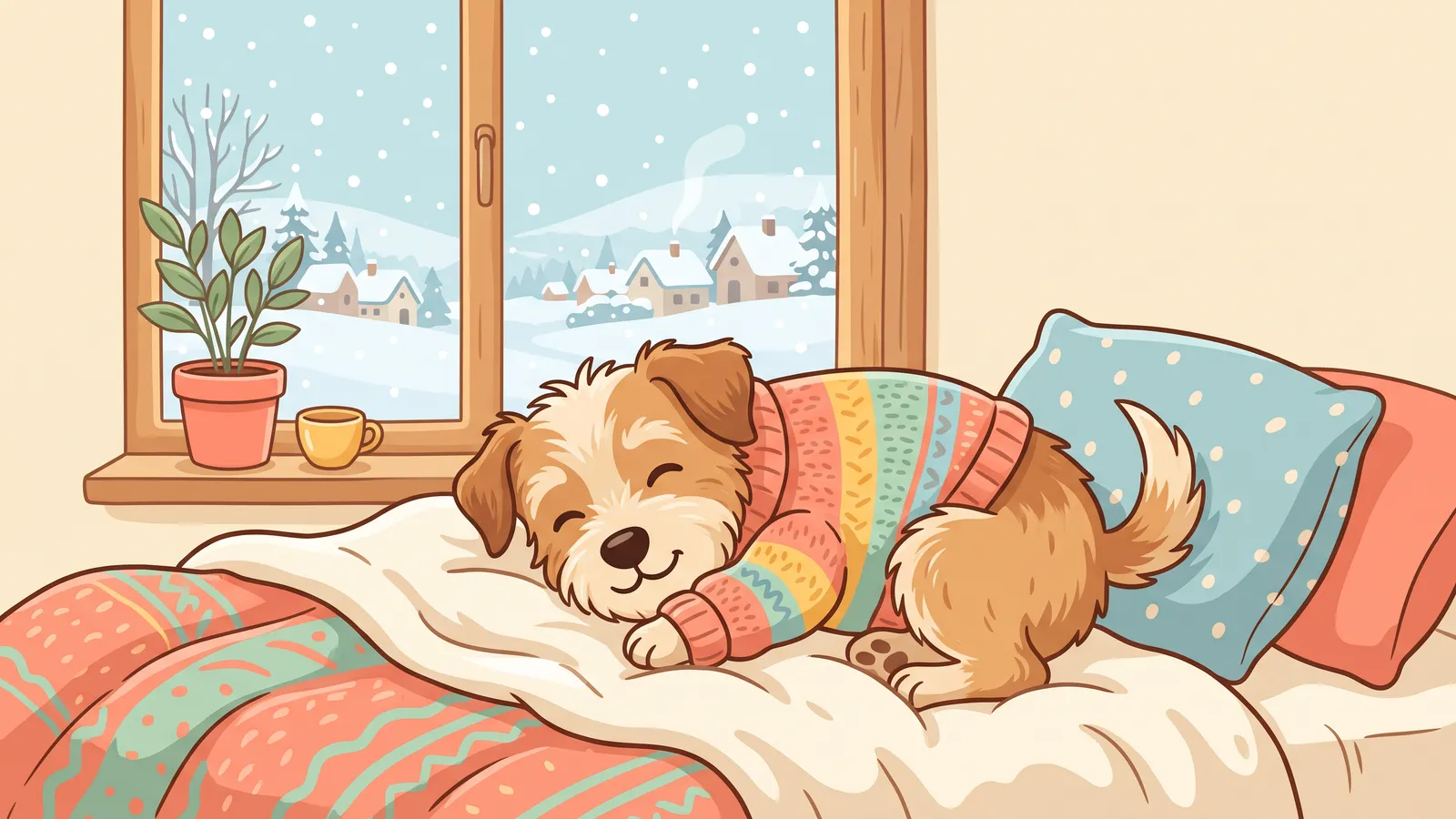
Keep your dog indoors when it's cold, give them a warm bed off the floor and away from drafts, and add a self-warming pad or a blanket they can burrow into. On walks, small, short-coated, lean, senior and low-slung dogs need a coat, and every dog needs paws and belly wiped when they come back in. The ASPCA's rule of thumb: if it's too cold for you, it's probably too cold for your dog.
Most dogs don't need much: a draft-free spot, a bed that holds their heat, and shorter walks on bitter days. The work is knowing which dogs need more, and where cold sneaks in at night.
Which dogs get cold?
Not every dog needs help. The AKC notes that breeds like Malamutes, Newfoundlands and Huskies were bred with thick fur for snow. Its list of dogs likely to need a coat:
- Small breeds, which can't hold their body heat well
- Hairless dogs, and clipped dogs like poodles
- Dogs low to the ground, like dachshunds and Basset hounds, whose bellies get wet in snow
- Short-coated, high-energy dogs like Vizslas
- Lean, short-coated dogs like Greyhounds and Whippets
- Puppies, seniors and dogs with conditions such as arthritis
Breed by breed
| Breed | Feels the cold? | What helps |
|---|---|---|
| Chihuahua | Yes. The AKC says special care is needed in cold weather | Coat for every winter walk, a self-warming bed, carry them home if they struggle |
| French bulldog | Short coat, so often yes; but they overheat easily too | A light coat outside, off indoors |
| Dachshund | Yes, low belly gets wet in snow | Coat with belly coverage |
| Poodle | When clipped short, yes | Coat after a short clip; a longer winter trim |
| Goldendoodle | Depends on the clip | Same as a poodle: short clip, add a coat |
| Golden, Lab, German shepherd | A healthy adult has a thick double coat and isn't on the AKC's list | Usually no coat; seniors and dogs with arthritis may need one |
For breed-specific gear, see our Chihuahua, French bulldog, dachshund and golden retriever guides.
How to keep your dog warm at night inside
1. Get the bed off the floor and out of drafts
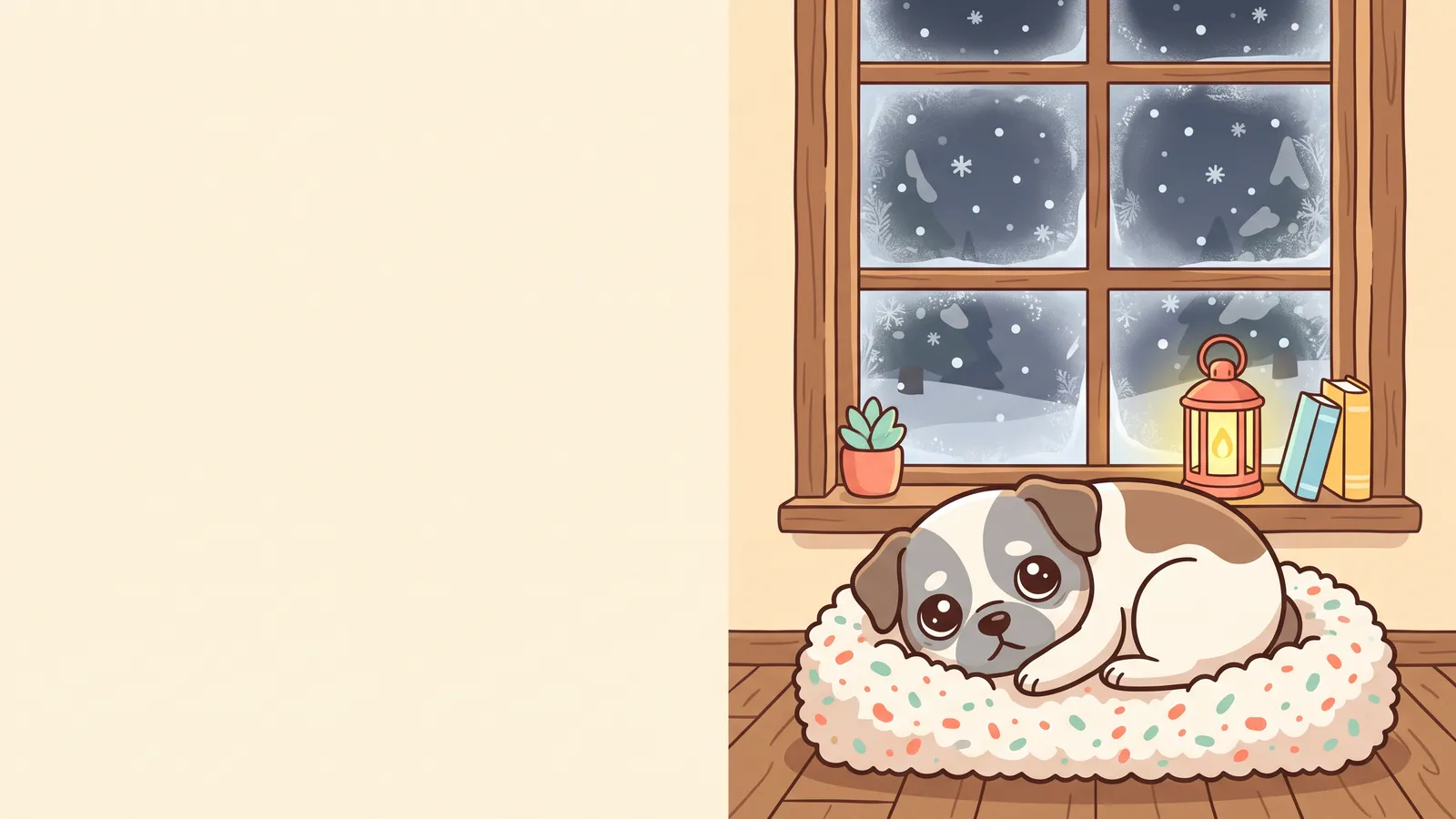
The ASPCA says your dog needs "a warm place to sleep, off the floor and away from all drafts." Floors are the coldest part of a room, especially tile and concrete. So:
- Move the bed away from exterior doors, sliding doors and windows. Hold your hand near floor level: if you feel moving air, move the bed.
- Lift it off the floor with a raised cot, or a thick foam bed. A raised dog bed keeps your dog off a cold floor.
- Give it sides or a bolster your dog can curl against, which holds warmth in.
2. Add a layer that holds your dog's heat
A self-warming pad has no plug. A reflective layer inside sends your dog's own body heat back to them, so it can't get hotter than your dog makes it. The AKC calls self-warming beds a safer, low-tech choice and says they can be used 24 hours a day.
The K&H Self-Warming Crate Pad works on the floor, on another bed or in a crate, with corner slits to lie flat and a non-slip bottom, in six sizes from 14 × 22 to 37 × 54 inches. It's thin, so for a bony or older dog put it on top of a foam bed.
Already have a bed your dog loves? The FurHaven ThermaNAP is a quarter-inch self-warming mat that lies on top of it. FurHaven says it works without electricity, using a polyester batting core under a faux-fur top.
3. Give them a blanket to burrow in
Many small and short-coated dogs like to tunnel. A fleece blanket loosely over the bed gives them the choice. Skip it for a puppy who chews fabric.
4. Think twice about a plug-in heated bed overnight
Electric beds have their place, mostly for older, stiff dogs in a cool house. But the AKC's Dr. Jerry Klein says a dog who can't get up easily could overheat or be burned, recommends supervised use, and says a regular bed should be the go-to for overnight sleeping. Our heated dog bed guide covers the safety checklist.
How to keep your dog warm in the crate at night
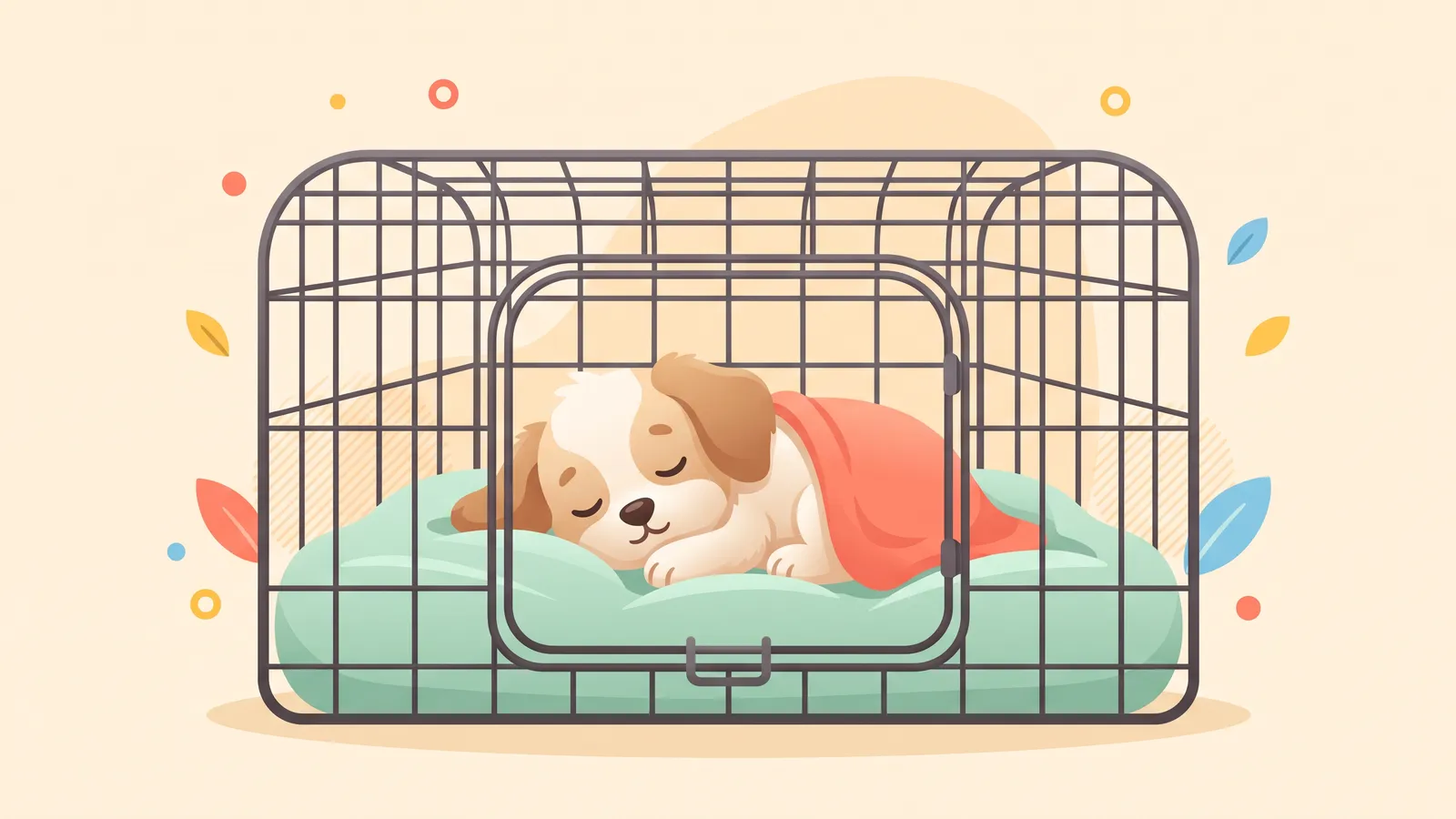
- Pad the floor. A plastic tray is cold. A crate pad that fills the tray edge to edge, plus a self-warming pad on top, makes a warm nest. Our dog crate pad guide has picks for chewers.
- Cover three sides. A blanket over the top and three sides blocks drafts and keeps warmth in. The AKC notes a plain blanket is an economical option. Leave the front open for air, and remove it if your dog pulls fabric through the bars.
- Move the crate. Away from outside doors, windows and floor vents that blow cold or hot.
- Leave room to move. The AKC warns that a heated bed in a crate is a concern if your dog can't move away from the heat. That's another reason a self-warming pad is the safer crate choice.
New puppy? Our guide to crate training at night covers where to put the crate and the first few nights.
How to keep your dog warm on winter walks
Coats: who needs one and how to fit it
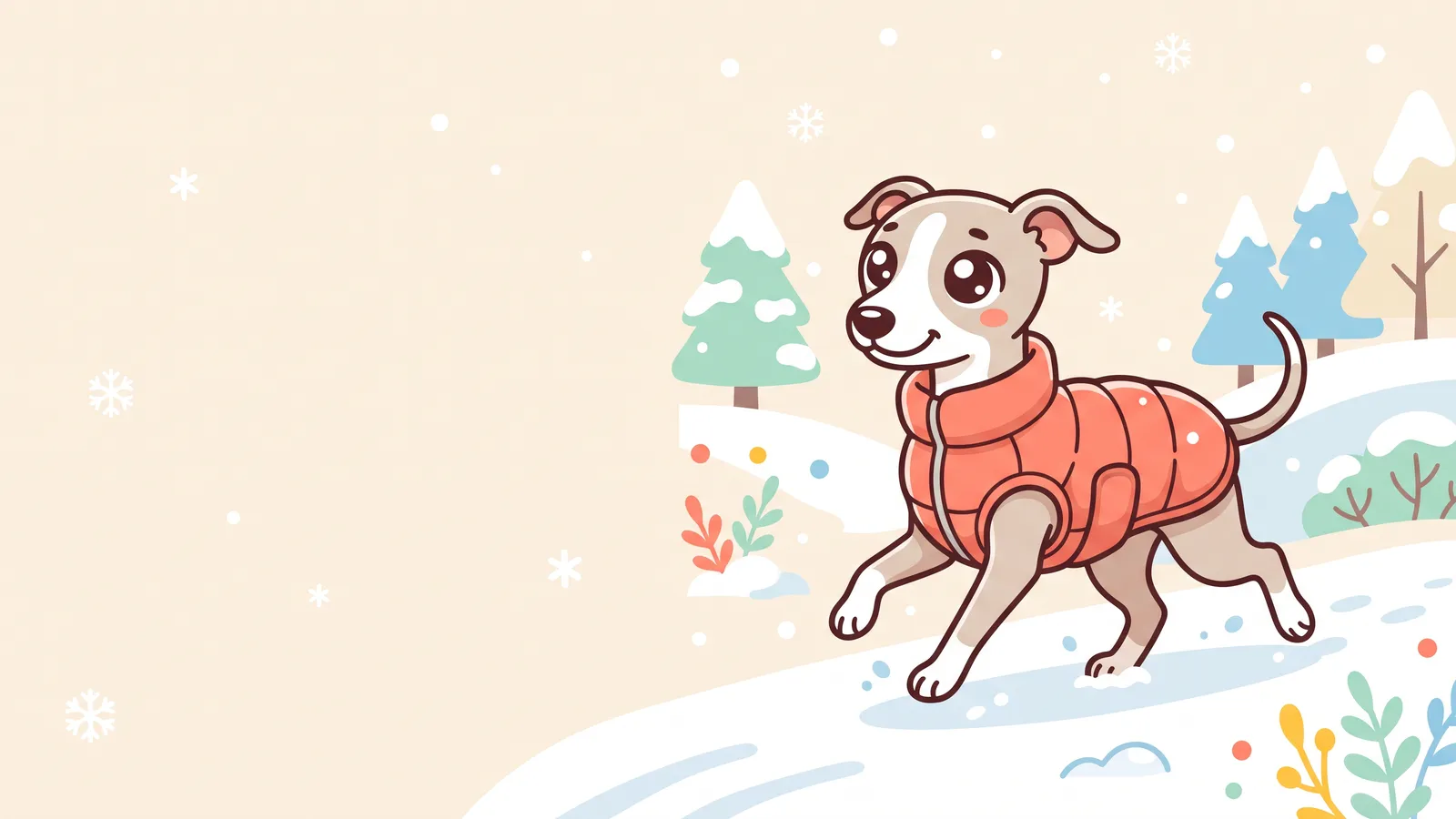
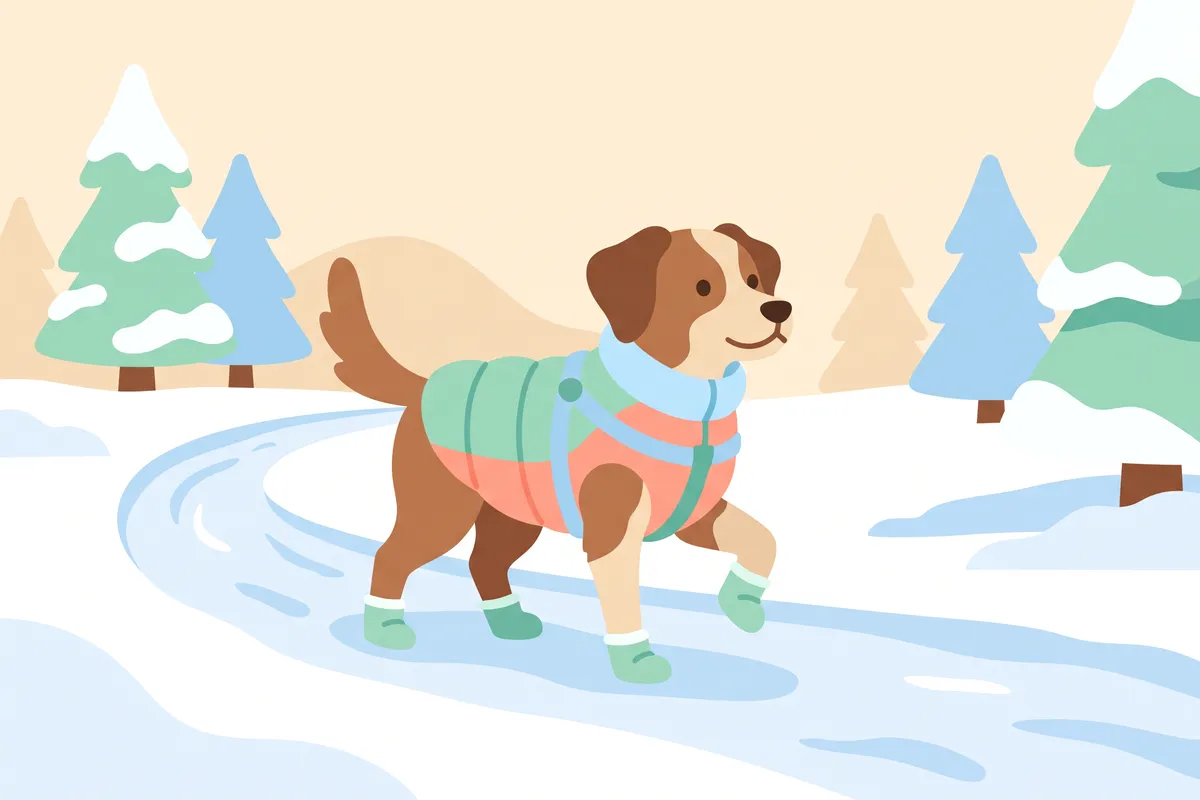
If your dog is on the AKC list above, a coat makes winter walks more comfortable. AKC vet Dr. Jolee Stegemoller suggests keeping outdoor sessions to 15–20 minutes when the windchill is below 20°F, adjusting for your dog's coat and health.
The Hurtta Extreme Warmer III is rated by Hurtta from +20°F down to -20°F, with a foil lining and a hood. Whole Dog Journal named its earlier version its top pick. It goes on over the head, which some dogs dislike. If your dog walks in a harness, Ruffwear's Powder Hound has leash portals on the chest and back.
Coats are sized by different measurements per brand. Our winter coats for dogs guide explains how to measure your dog for a winter coat and compares five.
Two coat rules: take it off indoors (PetsRadar's vet adviser says coats can restrict movement and rub, especially when damp), and never leave a dog alone in one, since the AKC warns a loose coat can tangle.
Paws, belly and the car
The ASPCA's cold-weather list:
- Wipe paws and belly after every walk to remove ice, salt and chemicals.
- Rub a vet-approved paw protectant into the pads before going out.
- Clean up antifreeze spills. The ASPCA calls antifreeze lethal for dogs.
- Don't leave your dog in a parked car. In cold weather a car can act like a refrigerator.
- Bathe less in cold spells; frequent washing can dry out the skin.
How to keep a dog warm outside (and in an outdoor kennel)
The honest answer first: the ASPCA says, "if it's too cold for you, it's probably too cold for your pet, so keep your animals inside." If your dog spends time outdoors, the shelter has to do the work:
- A solid, raised floor. Humane World for Animals says outdoor dogs need a solid, raised floor and bedding.
- Straw or shavings, not blankets. Humane World recommends straw or shavings for warmth. HumanePro's shelter fact sheet, written about outdoor cats, says blankets and towels hold moisture and can freeze.
- A small, windproof house with the door facing away from the wind. A smaller space holds body heat better.
- Unfrozen water. Check it morning and evening.
- Heat only where it's sheltered. The K&H Lectro-Soft Outdoor Heated Bed is made for garages, sheds, barns and sheltered spots. K&H says it warms to about body temperature only while your dog lies on it, has a 5½-foot steel-wrapped cord, and is MET Labs certified. K&H doesn't recommend it for destructive pets, and says not to use an extension cord.
Our outdoor dog bed guide covers raised cots and weatherproof beds for the yard.
This guide is general information, not veterinary advice. If you're worried about your dog, talk to your vet. Puppies, senior dogs and dogs with conditions such as arthritis or heart disease feel the cold more. If your dog is shivering hard, seems weak, sleepy or confused, or won't walk after time in the cold, these can be signs of dangerous chilling: get them somewhere warm, wrap them in a dry blanket and call your vet. Ask your vet how long your own dog can safely be out when temperatures drop.
FAQs
How cold is too cold for a dog?
There's no single number. The AKC's Dr. Stegemoller suggests 15–20 minute sessions when the windchill is below 20°F, adjusted for coat, size and health. Small, short-coated, senior and low-slung dogs feel it much sooner.
How can I tell if my dog is cold at night?
Watch for curling tightly into a ball, shivering, seeking out your bed or a heat source, or restlessness. Move the bed away from drafts and add a self-warming pad or blanket.
Do chihuahuas get cold easily?
Yes. They're tiny, and the AKC says special care must be taken with Chihuahuas in cold weather. A coat for walks and a self-warming bed indoors both help.
Do golden retrievers need coats in the winter?
Usually not. A healthy adult golden has a thick, water-repellent double coat and isn't one of the dog types the AKC lists as likely to need a coat. Seniors and dogs with arthritis are the exception.
Is it safe to use a human heating pad for my dog?
The AKC's Dr. Klein says not to share human heating pads with dogs. Use a pet-rated bed with a thermostat, or a self-warming pad with no cord at all.
A warm bed off the floor, a draft-free spot and shorter walks on bitter days cover most dogs. Add a coat for the ones built for summer.