An escape proof dog harness has a third strap behind the ribs (a belly strap), four or five adjustment points, and a snug fit you've checked with two fingers. Dogs back out because a two-strap harness has nothing to stop the shoulders slipping free. No harness is guaranteed, so for a real flight risk add a backup, such as a coupler to a martingale collar.
You know the moment. The leash goes slack, the harness is lying empty on the sidewalk, and your dog is standing a foot away looking startled. It happens to nervous rescues, lanky sighthounds, and any dog that has figured out that backing up works.
Our verdict. We haven't put any of these harnesses on a dog. If we owned a Houdini dog, we'd start with the Ruffwear Web Master. K9 of Mine leads its list with it, and Ruffwear itself describes the three-strap design as made for "houdini dogs". For a small dog we'd look at the Sleepypod Martingale. For a big, strong dog, the Rabbitgoo Escape Proof or ICEFANG Tactical.
One honest caveat before the picks: even the sources that recommend these harnesses say none is 100% escape proof. Fit matters more than brand. Where a maker says "escape-resistant", we say that and nothing stronger.
Quick picks
| Badge | Pick | Why it's here |
|---|---|---|
| Top pick | Ruffwear Web Master | Three-strap design with a belly strap, padded handle, sizes from XXS |
| Best martingale harness | Sleepypod Martingale Calming Harness | Cinching martingale feature, starts at XS |
| Best value for large dogs | Rabbitgoo Escape Proof | Three straps, five adjustment points, two handles, metal leash clips |
| Best with metal buckles | ICEFANG Tactical | Heavy metal buckles and clips, five adjustment points |
| Best budget for pullers | ThinkPet No Pull | Affordable padded harness with front and back clips |
How dogs back out of harnesses
Almost every escape is the same move. The dog pulls backward against the leash, the harness rides forward onto the neck, and the dog drops its head and slips its shoulders or elbows through. Some dogs reverse in a straight line. Others twist and wiggle until a loose strap gives them room.
K9 of Mine lists the dogs most likely to try it: nervous and shelter dogs, dogs that dislike the leash, dogs that have escaped before, and lean dogs with narrow heads and flexible front legs, such as whippets, greyhounds and border collies. Chewers are a separate problem, since some dogs gnaw through straps.
A few more reasons escapes happen:
- The harness is too loose. A gap at the chest or shoulders is a common cause.
- Only two straps. Many "no-pull" step-in or vest styles have nothing behind the ribs to hold the chest piece in place.
- Wrong size for the dog's shape. A size that fits the neck on a narrow-chested dog is a classic setup for an escape.
- Fear. A panicking dog will wiggle out of nearly anything that isn't fitted well.
Features that stop a harness escape
A third strap behind the ribs
This is the big one. A belly strap is a third strap that fastens around the narrower part of the body, behind the front legs. A reviewer quoted in our research puts it simply: the smaller belly loop can't slide over the broader chest. Ruffwear calls its Web Master a three-strap style, and Rabbitgoo and others use the same idea.
Belly straps have limits. The Labrador Site notes they can be too bulky for toy breeds, less effective on overweight dogs, and uncomfortable for dogs that recently gave birth. A deep-chested male may also find the belly strap sits low.
Four or five adjustment points
More adjustment points let you fit a lean waist, a deep chest and a thin neck all at once. Look for adjustment at the neck, both chest straps and the belly strap. Maker counts vary: Ruffwear's page lists four points of adjustment for the Web Master, while K9 of Mine counts five.
A snug chest fit
The straps should sit close to the body without pinching. Fit beats any feature on the label, and we cover the check below.
Metal hardware
Metal D-rings and clips on the leash points are common, and a few harnesses use metal buckles too. Metal holds up better against a chewer and a hard lunge, but it's heavier and it clanks. Plastic buckles from a good maker are fine for many dogs, and the Web Master uses ITW Nexus Airloc buckles with an aluminum back V-ring. Be skeptical of any listing that says "military grade" without saying what that means.
A top handle
A handle gives you a quick grip when your dog bolts or reverses. It lets you stop the backward slide before the harness rides up.
Chest and back leash points
A chest clip steers a dog forward and away from you, which can discourage pulling, while a back clip is more neutral. Many escape artists back out of a back-clip harness, so some owners clip to both with a double-ended leash. For more on front-clip steering, see our best no-pull dog harnesses.
Ruffwear Web Master Harness
Best for: dogs from tiny to large that have already slipped a two-strap harness.
Evidence level: Maker specs and K9 of Mine.
K9 of Mine puts the Web Master at the top of its escape-proof list, describing a five-strap style: three straps around the chest and one between the front legs, plus the extra belly strap. Ruffwear's own page calls the three-strap design "great for houdini dogs" and gives it a neck buckle, so you don't have to pull it over a head-shy dog's head. It has a padded handle, foam padding on the chest and belly, and three leash attachments (front loop, aluminum back V-ring, back webbing loop). Sizes run from XXS (13 to 17 inch girth) to L/XL (32 to 42 inches), measured around the widest part of the rib cage. Ruffwear says to size down if you're between sizes.
What we like
- Belly strap plus neck buckle, so no over-the-head step
- Wide size range, so it works for small and large dogs
- Padded handle for control
Keep in mind
- K9 of Mine reports a small number of owners whose dogs still escaped
- Padded and fairly bulky; a very small or short-bodied dog may find it a lot of harness
- Retailer listings disagree on whether it has four or five adjustment points, so go by Ruffwear's page
Sleepypod Martingale Calming Harness for Dogs
Best for: small and medium dogs and nervous dogs that twist out of fixed-size harnesses.
Evidence level: Maker specs; no independent test found.
A martingale harness adds a cinching loop, much like a martingale collar. Sleepypod says its "martingale cinching feature helps to prevent escape from the harness" and gives more control. The harness has quick-release buckles at the neck and torso, a triple-laminated breathable polyester mesh, and both back and front D-ring connections. XS has one chest buckle strap; sizes S to XL have two. A removable clip light comes in the box. We couldn't find neck and chest measurements on the product page, so check Sleepypod's sizing guide before ordering.
What we like
- Cinching martingale design, which is rare in harnesses
- Starts at XS, a size most escape-proof harnesses skip
- Front and back leash points
Keep in mind
- It's marketed partly as a calming harness; we found no independent test of its escape resistance
- No belly strap on the XS, so check fit extra carefully on a narrow dog
- Hand wash only
Rabbitgoo Escape Proof Dog Harness
Best for: medium and large dogs on a budget.
Evidence level: K9 of Mine review plus listing specs.
K9 of Mine describes a three-strap design with five adjustment points, two quick-release buckles, two back handles and reinforced metal leash clips. Its owners report that it stopped most backing out. Some listings add a lockable red button on the buckle. Sizes are listed XS to XL, but sources disagree on whether small sizes exist in this exact model, so confirm the size chart.
What we like
- Three straps and five adjustment points for a custom fit
- Two handles, one at the shoulders and one back
- Metal leash clips
Keep in mind
- K9 of Mine notes the belly strap can sit low on males
- The front clip was judged less durable than the back clip
- No front-clip steering on some versions
ICEFANG Tactical Dog Harness
Best for: big, strong dogs and anyone who wants metal buckles.
Evidence level: K9 of Mine review.
This is a half-body tactical style with five adjustment points, a handle, and heavy metal buckles with chest and back clips. K9 of Mine praises how durable it is, likes the handle, and says many owners get a good fit.
What we like
- Metal buckles and clips
- Strong handle for lifting or controlling a bolting dog
- Hook-and-loop patches for ID or "service" labels
Keep in mind
- Heavy and bulky, and the metal buckles can be noisy
- Poor fit for stocky breeds, according to K9 of Mine
- Limited sizes: not a harness for small dogs
ThinkPet No Pull Harness
Best for: a budget harness for a dog that pulls, with the fit checked carefully.
Evidence level: K9 of Mine review.
K9 of Mine calls it the most affordable escape-resistant option on its list: a padded, stretchable build in Oxford fabric, nylon and EVA, with metal leash points on the back and chest. It comes in several sizes, with the largest a 2XL.
What we like
- Lightweight and padded
- Front and back metal leash points
- Easy to find
Keep in mind
- K9 of Mine notes some sizing problems
- It's less escape-resistant than the heavier picks, so it suits dogs that wiggle more than they bolt
- Not a first choice for a dog with a long history of escapes
Comparison table
| Pick | Best for | Straps | Buckles | Adjustment points |
|---|---|---|---|---|
| Ruffwear Web Master | Small to large dogs | Three-strap with belly strap | ITW Nexus Airloc plastic, aluminum V-ring | 4 (Ruffwear) |
| Sleepypod Martingale | Small and medium dogs | Martingale cinch; XS one chest strap, others two | Quick-release | Neck and torso |
| Rabbitgoo Escape Proof | Medium and large dogs | Three straps | Quick-release, lockable on some listings; metal leash clips | 5 |
| ICEFANG Tactical | Large strong dogs | Half-body tactical | Heavy metal | 5 |
| ThinkPet No Pull | Budget, pullers | Padded, stretchable | Metal leash points | Varies by size |
Escape proof harness for small dogs
Small and toy dogs have it hardest, because most "escape-proof" harnesses start at medium. A few things help:
- Look for XS or XXS. The Web Master starts at XXS (13 to 17 inch girth). Sleepypod's martingale harness starts at XS.
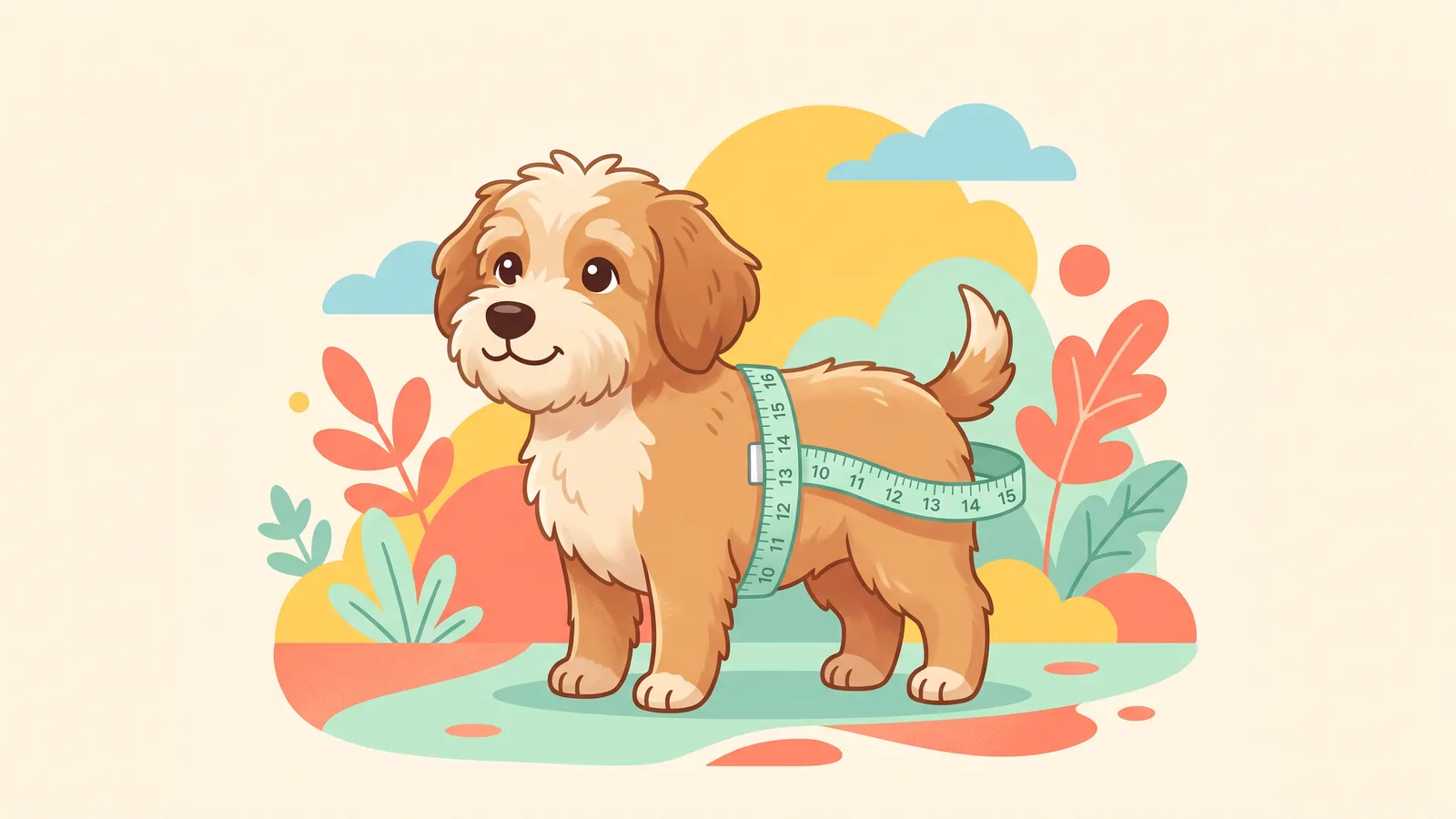
- Measure the girth, not the weight. Our guide on how to measure a dog for a harness walks through it.
- Skip bulky belly straps on tiny dogs if the harness is too heavy for them. A snug vest-style fit may work better.
- Breed shape matters. For long-backed dogs see our best harness for dachshunds. For flat-faced, wide-chested dogs, try the best harnesses for French Bulldogs.
Escape proof harness for large dogs
With large, strong dogs, the extra problem is force. Look for metal leash points, solid stitching at stress points, and a handle you can use as a grab point. The Rabbitgoo and ICEFANG are both aimed at this group.
For huskies and other thick-necked dogs that slip harnesses, a belly strap plus a very snug chest fit is the standard answer. For beagles and hounds, where the narrow head and neck are the problem, check that the neck piece tightens enough that it can't slide over the ears, without pinching. A hound with a deep chest and a small head often does best in a three-strap harness with several adjustment points.
How to check the fit
- Put it on while your dog stands. A sitting dog's ribcage is wider, as K9 of Mine points out. Our guide on how to put on a dog harness has the step-by-step.
- Apply the two-finger rule. Tighten every strap, including the belly strap, until you can slip two fingers flat under it, but not more.
- Check the front. Pull back gently on the leash. The harness shouldn't ride up to the neck, and the neck piece shouldn't pass over the head.
- Look at the elbows. Straps shouldn't rub behind the front legs.
- Test indoors first. Walk your dog around the house, then the yard, before a street walk.
- Recheck often. Straps loosen as the day goes on and as a dog gains or loses weight.
If your dog shows red or rubbed skin, limping, or reluctance to move in the harness, stop using it and talk to your vet.
The backup plan for flight risks
For a dog that has escaped before, or a rescue that's frightened of everything, one layer isn't enough. Common backups:
- Harness plus martingale collar. Put on a properly fitted martingale collar, then use a small carabiner or coupler to clip the harness to the collar, with the leash on the harness. K9 of Mine suggests a carabiner. Avoid zip ties on strong dogs, since they're hard to remove quickly.
- A double-ended leash clipped to both the harness and the collar, so if one piece fails you don't end up with a loose dog.
- A longer settle-in period. Don't walk a brand-new rescue in a busy place until you've practiced somewhere quiet.
K9 of Mine mentions the PetSafe Martingale Collar as an option for escape-prone dogs. A martingale collar only works when it's sized so the loop tightens enough to stop it slipping over the head but not so much that it chokes, so ask your vet or trainer to check the fit.
Common mistakes
- Buying by weight. Sizes differ by brand. Use girth and neck measurements.
- Leaving it loose "for comfort." A loose harness is an escape waiting to happen.
- Ignoring the belly strap. It matters most, and it's often left dangling.
- Using a front-clip harness with a loose body fit. Some front-clip harnesses are meant to steer, not secure. K9 of Mine specifically advises against the PetSafe Easy Walk for escape artists, since dogs can wiggle out or get a front leg through.
- Never rechecking. Hair, weight and growth change the fit.
- Relying on one layer for a flight risk. Add a backup.
FAQs
How do I stop my dog from backing out of the harness?
Switch to a harness with a belly strap and several adjustment points, fit it snugly with two fingers' room, and keep tension off the leash when you can. Stand still rather than pulling back, since pulling invites the reverse. For a serious flight risk, add a coupler to a martingale collar.
Are martingale harnesses escape proof?
No harness is guaranteed. A martingale harness such as the Sleepypod has a cinching feature the maker says "helps to prevent escape," so it's escape-resistant, not escape-proof. Fit and a backup still matter.
What's the best escape proof harness for small dogs?
Look for an XS or XXS size with at least three straps or a martingale cinch. The Ruffwear Web Master (from XXS) and the Sleepypod Martingale (from XS) are two starting points. Measure the girth first, and check the small sizes' fit before you rely on them.
Are metal buckles better than plastic?
Not automatically. Metal is stronger against chewing and heavy pulling but adds weight and noise. A well-made plastic buckle from a reputable maker is fine for most dogs. Fit and strap count matter more than the buckle material.
What's the best harness for a husky or a beagle that escapes?
For a husky, a three-strap harness with a belly strap and metal leash points, such as the Rabbitgoo or ICEFANG for bigger dogs, plus a very snug fit. For a beagle, pick a harness with a tightly adjustable neck and chest, such as the Web Master, and use a collar backup. Check both against your dog's measurements.
Can my dog still get out of a belly-strap harness?
It's possible. K9 of Mine reports a few dogs still escaped from top picks. If it keeps happening, talk to a trainer about leash anxiety.
Pick a harness with a belly strap, fit it snug, check it often, and add a backup for any dog that has bolted before. Our best no-pull dog harnesses guide can help you choose steering on top of security.