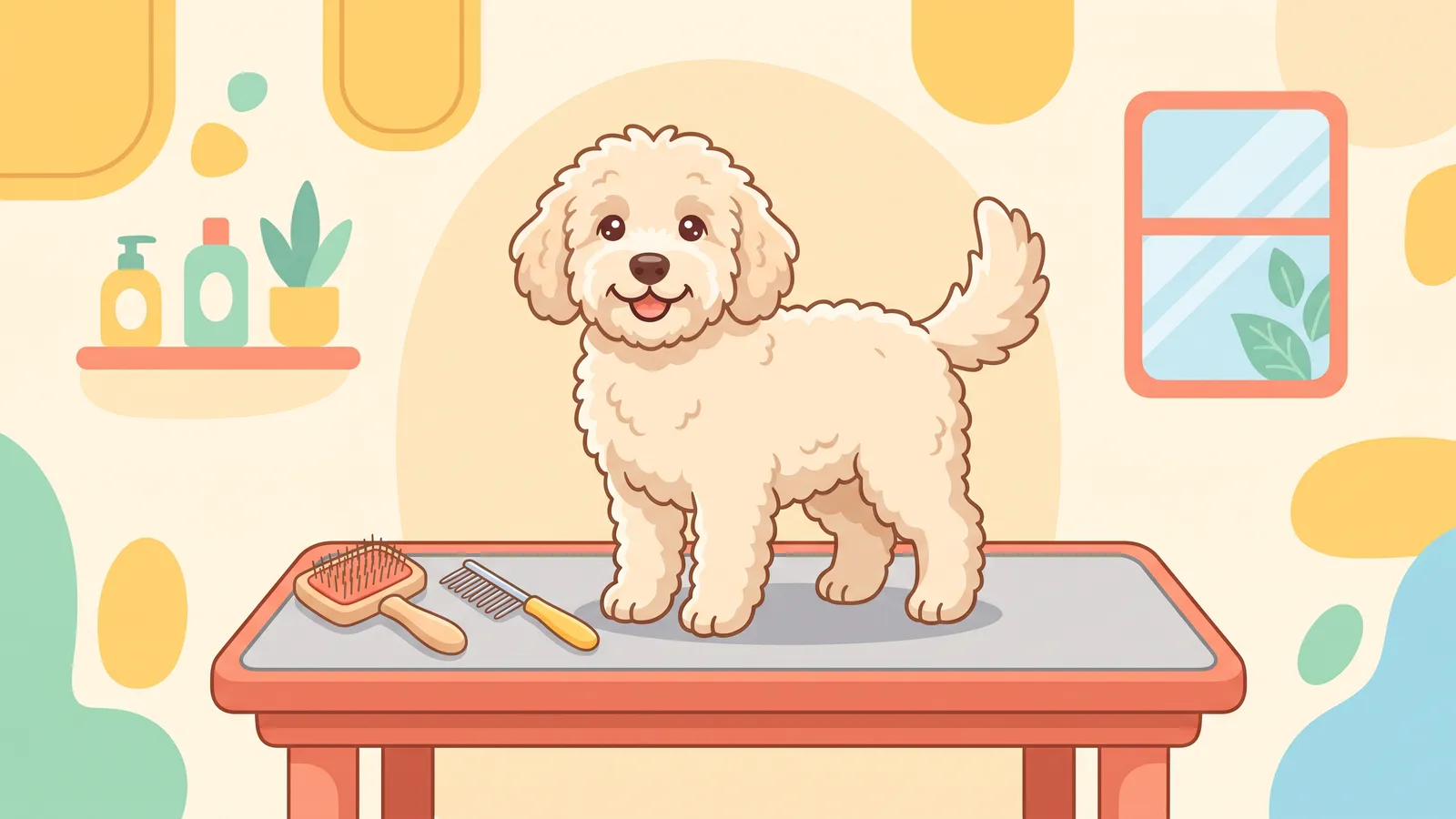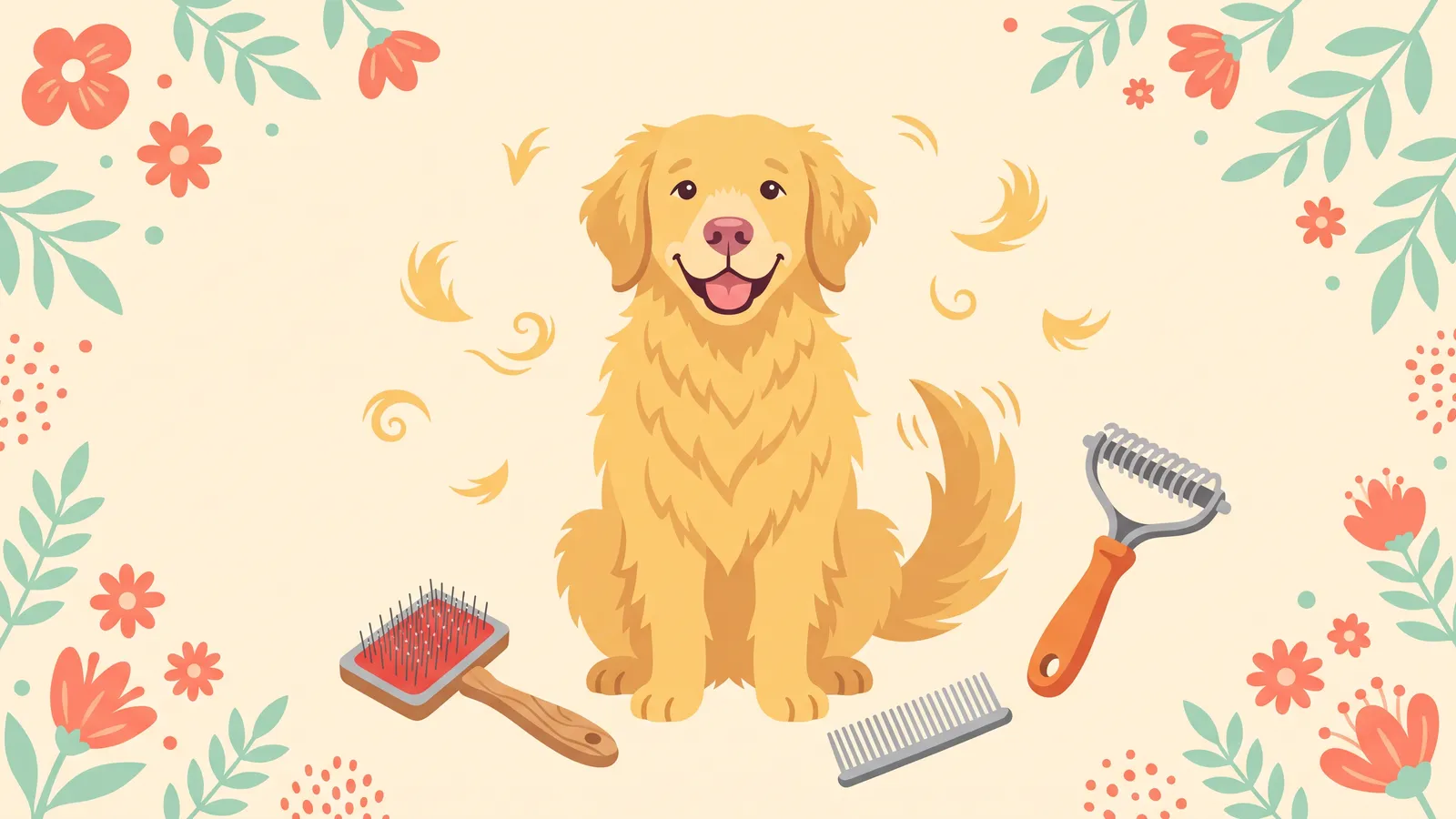
A goldendoodle's coat looks like a teddy bear and behaves like a Poodle's. It rarely drops loose hair on the floor, which sounds easy until you find out where the hair goes. It stays in the coat and tangles against the skin. So the best brush for a goldendoodle isn't one tool, it's a pair: a long-pin slicker brush to work through the coat, and a steel comb to prove you reached the skin.
Our verdict. We haven't used any of these brushes or combs ourselves. For a curly or wavy doodle, we'd start with the Chris Christensen Big G slicker, which the maker and groomer-run sources point to for doodle coats, and add a greyhound-style steel comb. On a tighter budget, a Hertzko slicker plus an Andis steel comb covers a puppy or a short clip well. Add a Safari dematting comb only for small tangles, never tight mats.
Quick picks
| Badge | Pick | Why we like it |
|---|---|---|
| Top pick (slicker) | Chris Christensen Big G Slicker Brush | The maker's longest-pin slicker, sold for fluffing curly doodle coats |
| Best doodle-specific slicker | We Love Doodles Curved Slicker Brush | Long, angled pins and a curved head, sold in three sizes |
| Best steel comb | Chris Christensen 7.5 inch Greyhound-Style Buttercomb #000 | Fine and coarse teeth on one comb, solid brass spine |
| Budget comb | Andis Stainless Steel Pet Comb | Rounded tips, used by doodle owners to find hidden mats |
| Best budget slicker | Hertzko Self Cleaning Slicker Brush | Push-button retracting pins; handy for puppies and shorter coats |
| Best dematting comb | Safari Dog De-Matting Comb | Serrated blades that start at the outer edge of a tangle |
How each pick was chosen
Each section carries an evidence level: maker specs (the maker's own page) or reviewer notes (independent writers or owners). None of these has a published lab test, and we haven't used them on a dog. Think of this as a research summary, not a review from use.
The core kit: slicker plus steel comb
Almost every doodle-focused source lands on the same pairing. It also matches the AKC's advice for the Poodle side of the family: brush and comb all the way to the skin, because hair that's only brushed on top mats near the roots. Preventive Vet says the same thing, adding that brushing just the top layer can push tangles closer to the skin.
Groomers call the method line brushing:
- Part the coat with one hand so a line of skin shows. Hold the hair above the line out of the way.
- Brush the hair just below the line with the slicker, a few strokes at a time, until the brush glides.
- Drop the next layer of hair onto the line and repeat, working up the body in rows.
- Run the comb through each row afterward. If it slides to the skin, move on. If it snags, go back with the slicker.
Keep a light hand. Slicker pins pressed hard can scratch skin, and TestedHub's review of the Hertzko warns about exactly that. For the full routine, including bathing and clipping, see our guide to grooming a goldendoodle at home.
Chris Christensen Big G Slicker Brush
Best for: curly and wavy doodles with a longer coat.
Evidence level: Maker specs, plus reviewer notes
The Big G is Chris Christensen's longest-pin slicker. The maker lists 27 mm stainless steel bent pins, a flexible cushion, a curved back and an extra-long handle, and says it has 30% more pins than its Big K. The company's own comparison calls it the "doodle brush," suited to thick, dense coats and to fluffing curly or cottony ones. Canine Gear Reviews lists it first for goldendoodles too, and a doodle owner at Happy-Go-Doodle says the long pins let her brush "through the hair and not just on top of it".
It comes in three sizes. Large (about a 3-3/4 inch square head) is for the body, Medium for legs, and Baby G for tight spots like the face and feet. On a Mini or Petite doodle, Medium or Baby may be easier to handle than Large.
What we like
- Long pins reach a dense coat, which is the main job
- Three sizes, so you can match the head to the part of the dog
- The maker covers it with a 6-month warranty
Keep in mind
- Reviewers note a high price and a large head for small dogs
- A long-pin slicker can still scratch if you press, so use light strokes
- Chris Christensen also sells a Big K with fewer pins that it describes as a gentler brushing experience; consider it if your doodle's skin seems sensitive
We Love Doodles Curved Slicker Brush
Best for: owners who want a brush made for doodles without going to a pro grooming brand.
Evidence level: Maker specs, plus reviewer notes
We Love Doodles describes long, curved pins set at a 45-degree angle with rounded tips, a curved head that follows the dog's body and a recycled-wood handle. It comes in Small, Medium and Large. The maker's claims, like 50% more pins than a traditional brush, are marketing figures we can't verify. Canine Gear Reviews calls it a good-value pick with a comfortable grip. It also notes the large head is unwieldy on small dogs and the pins need regular cleaning.
What we like
- Made with doodle coats in mind
- Small size available for minis
- Fits curly, wavy or straight coats, per the maker
Keep in mind
- The maker doesn't state a pin length
- Pins need picking clean as you go
- Claims on the page are the seller's own
Chris Christensen Greyhound-Style Buttercomb #000
Best for: checking that every row of line brushing reached the skin.
Evidence level: Maker specs
A greyhound comb has fine teeth on one half and wider teeth on the other. Start at the coarse end, finish at the fine end. Chris Christensen's 7.5 inch version has a solid brass spine and steel teeth, with about 8 teeth per inch on the coarse side and 11 per inch on the fine side. Retailers label the teeth a little differently (the maker uses "Fine/Coarse"), so read the listing carefully. Seven and a half inches is long enough to reach through a doodle's body coat.
What we like
- Two tooth spacings in one comb
- Rounded corners meant to cut breakage and friction, per the maker
- Long enough for a full-length coat
Keep in mind
- It costs more than a basic steel comb
- Retailer listings disagree on tooth labels and origin, so check the one you buy
Andis Stainless Steel Pet Comb
Best for: a budget steel comb that does the same checking job.
Evidence level: Reviewer notes
Doodle owners keep naming this one. The Happy-Go-Doodle writer uses it after the slicker and calls it "great for finding those hidden mats" and for fluffing the hair. She adds that the teeth are strong with rounded tips, which is gentler on her dog. We couldn't find a detailed maker spec page for this exact comb, so we can't confirm tooth spacing. Check the listing for length (we searched for the 7.5 inch size).
Keep in mind
- Tooth spacing isn't stated in the sources we found
- A single-spacing comb may stop on a thick coat where a fine/coarse comb wouldn't
Hertzko Self Cleaning Slicker Brush
Best for: puppies, short clips and anyone on a budget.
Evidence level: Maker specs, plus reviewer notes
Hertzko's slicker has fine bent wire pins and a button that retracts them, so the hair drops off instead of getting picked out of the pins. It's sold in a small size and a medium/large size. TestedHub calls it a surface and topcoat brush rather than a deep-coat tool, and warns the pins can scratch if pressed hard. That's fair advice for a doodle. It suits a puppy, a freshly clipped dog or a quick daily tidy, but a thick, long coat will do better with a long-pin slicker.
What we like
- Self-cleaning pins save time and mess
- A small size for puppies and minis
- Lower cost than a groomer-brand slicker
Keep in mind
- Short pins may skim over a dense curly coat
- Press lightly, because the pins can scratch
Safari Dog De-Matting Comb
Best for: loosening small tangles and mats on the outer coat, not mats tight to the skin.
Evidence level: Maker specs
Coastal Pet's Safari comb has finely serrated stainless steel blades, a soft rubber handle and the instruction to "start at outer edge & work inward to break apart mats." The maker says it's designed to avoid contact with skin, and suits coarse, long or matted coats. A serrated blade cuts hair, so it will shorten the tangle it works on. Use it only on mats you can see clear space under.
Keep in mind
- Sharp blades on a coat can slip; never use it where you can't see the skin
- It isn't a fix for a coat that's matted all over
Pick a brush by coat type
GANA, the breed association, groups goldendoodle coats by the curl gene: curly, wavy or straight. It also notes that dogs with furnishings (longer facial hair such as a beard and eyebrows) are typically non-shedding, while flat-coated, unfurnished dogs shed more, though less than a Golden Retriever.
- Curly or fleece: this coat mats the most. Use a long-pin slicker such as the Big G, then a comb through every row. Preventive Vet lists curly and fine coats, including doodles, among the mat-prone types.
- Wavy: the same kit, usually a little easier. A medium-pin slicker may be enough if the coat is clipped short.
- Straight or flat coat: sheds more and needs less upkeep, per GANA. A slicker plus a comb still works. During heavy shedding, our dog shedding guide has more ideas for loose hair.
Puppy coat versus adult coat
A puppy's soft coat is easy to brush, so plenty of owners relax. Then the coat starts to change. Sources that cover doodle puppies put it anywhere from roughly 4 to 14 months, often starting around 6 months, and say it can settle fully at one to two years. Timing varies so much between dogs that this is a rough guide, not a date.
During the change, loose puppy hair catches in the adult coat growing in. The spots that mat most are behind the ears, under the collar or harness, in the armpits and where the legs meet the body. Preventive Vet names collars, harnesses, armpits, behind the ears and the feet.
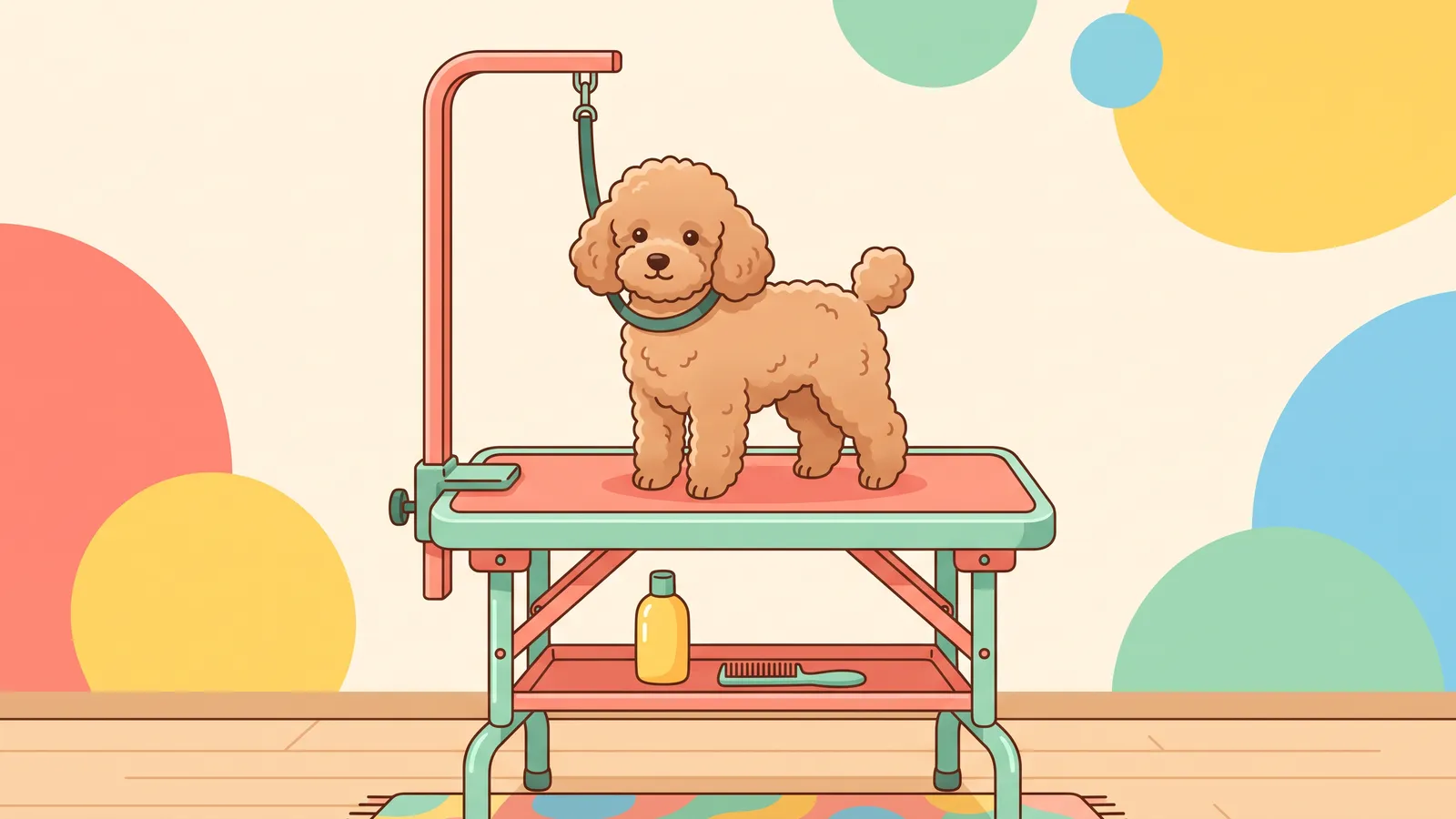
Best brush for a goldendoodle puppy. Start early with short, calm sessions and treats. A small slicker such as the Hertzko small size or the Baby G is easier on a small head and legs, plus a steel comb. Some doodle writers advise brushing daily through the coat change. It's worth it, because preventing a mat is far easier than removing one. If your puppy wriggles, a grooming table can help keep them in one spot.
Mats: prevention, and when to call a groomer
Mats are tangles that have tightened into felted clumps. Preventive Vet lists the usual causes: loose hair wrapping around itself at friction spots, shedding or coat change that isn't brushed out, getting wet and drying tangled, and bathing without brushing and drying thoroughly.
Prevention
- Brush to the skin on a schedule, not just when you notice a tangle.
- Brush out before every bath. Water tightens tangles.
- Dry fully. A dog dryer on low, with brushing as you go, leaves fewer damp tangles than air-drying. Our dryer guide covers heat and noise.
- Check the friction spots every few days.
- A shorter clip, with clippers at home or a groomer, makes the coat much easier to keep clean.
A small mat Hold the hair at the base so you don't pull the skin. Preventive Vet suggests loosening an isolated mat with detangling spray and working from the tip toward the skin in small strokes, with treats. Brushing out anything larger can hurt the dog and make future brushing harder.
Don't cut mats out with scissors. PetSmart's grooming guidance says scissors can cut your dog's skin because "it's impossible to identify where the mat stops and the skin begins." Preventive Vet is blunter: put the scissors down, because a snip of skin may need veterinary treatment. Groomers use dog clippers with a short blade, which PetSmart calls the safest way to remove mats. Human clippers and beard trimmers aren't a good swap.
When to call a groomer. If the coat is matted over much of the body, or the mats are tight to the skin, book a professional short clip instead of fighting it at home. Preventive Vet says widespread matting calls for a professional full-body trim, and that a vet can arrange sedated clipping in severe cases.
This guide is general information, not veterinary advice. If you're worried about your dog, talk to your vet. Mats can hide sore skin, and trapped moisture or waste under a matted coat can irritate it. If you find redness, sores, a bad smell, parasites or a painful dog under the coat, have your vet take a look before you keep grooming.
Comparison table: which tool does what
| Tool | Use | Pros | Cons |
|---|---|---|---|
| Slicker brush (standard pins) | Everyday brushing, puppies, short clips | Cheap, easy to find, self-cleaning versions | Short pins skim a dense curly coat |
| Long-pin slicker (Big G, We Love Doodles) | Brushing curly and wavy coats down toward the skin | Reaches through the coat | Larger, pricier, can scratch if pressed |
| Greyhound comb | The check after every brushed row | Shows hidden tangles at once | Does nothing for a tangle by itself |
| Pin brush | Light finishing on longer, silky coats | Gentle on skin | Doesn't reach into a dense curly coat |
| Dematting rake or comb (Safari) | Loosening small mats on the outer coat | Breaks mats apart without a full rebrush | Sharp blades; not for mats at the skin |
How often to brush a goldendoodle
It depends on coat type and length, so there's no single answer. Here's a working guide, based on Preventive Vet's note that long, curly or fine coats may need daily brushing:
- Curly or fleece coat, kept long: a full line brush most days, or every other day at the very least.
- Wavy coat or a short teddy bear clip: a few times a week.
- Puppy in coat change: daily if you can.
- Flat coat: a couple of times a week, more in shedding periods.
For sizes and coat details by doodle size, see our goldendoodle gear guide. Preventive Vet suggests a full groom every 6 to 8 weeks for high-maintenance coats.
Mini goldendoodle brushes
For a mini or petite doodle, the issue is head size. Canine Gear Reviews notes that large slicker heads, including the Big G and We Love Doodles, are unwieldy on small dogs. Pick the Medium or Baby G, the We Love Doodles Small, or the Hertzko small size. Then use a 7.5 inch steel comb, or a shorter one if that feels clumsy. The technique stays the same: line brush to the skin, then comb.
FAQs
What is the best brush for a goldendoodle puppy?
A small slicker with soft handling, such as the Hertzko small size or a Baby G, plus a steel comb. Keep sessions short, reward with treats and brush daily through the coat change, when mats are most likely.
Do I need a comb as well as a slicker?
Yes. The slicker smooths the surface, but a comb catches what's left near the skin. If the comb slides through to the skin, that section is done. This is the AKC's advice for the Poodle coat too: brush and comb all the way to the skin.
Can a slicker brush get mats out?
It can help with small, loose tangles, worked from the edge in short strokes while holding the hair at the base. It isn't the answer to tight mats, which can't be brushed out comfortably and shouldn't be cut out with scissors. A groomer's clippers are safer.
What's the best brush for a mini goldendoodle?
One with a smaller head. Choose the Medium or Baby G, the We Love Doodles Small or the Hertzko small size, then comb afterward with a steel comb.
Why is my goldendoodle shedding?
Some doodles do shed. GANA says flat-coated, unfurnished doodles shed more than furnished ones, and a puppy coat gives way to an adult coat over several months. If the hair you're finding is stuck in the coat, that's the loose hair that needs brushing out. If your dog has bald patches, red or flaky skin or constant scratching, that isn't normal shedding, so talk to your vet. Our shedding guide has more.
Start with a long-pin slicker and a steel comb, brush in lines to the skin, and mats mostly never form. For anything tight against the skin, call the groomer.